What I Wish More Trekkers Knew Before Choosing a Nepal Trek
After sitting across the table from hundreds of trekkers planning their first trip to Nepal, I’ve noticed something odd: most people start with packing lists and gear reviews before they’ve actually decided which trek suits them. That’s backwards. The Annapurna Circuit Trek and Everest Trekking are both bucket-list routes, but they’re not interchangeable experiences wearing different names. One is a long, winding journey through changing terrain and villages. The other is a focused push into the Khumbu, toward the mountain that gives the region its fame.
This article isn’t another generic overview of the Himalayas. It’s built around the questions trekkers actually ask us before they commit — about altitude, timing, agencies, and what happens when things don’t go according to plan. Route choice should come first, long before you’re comparing down jackets or debating trekking poles.
Here’s a quick answer if you’re short on time: the Annapurna Circuit is generally suited to trekkers who want changing landscapes, villages and a long-distance Himalayan journey, while Everest Trekking is particularly attractive to travelers whose priority is the Khumbu region and views toward Everest.
Annapurna Circuit Trek vs Everest Trekking: The Real Difference
What Makes the Annapurna Circuit Different
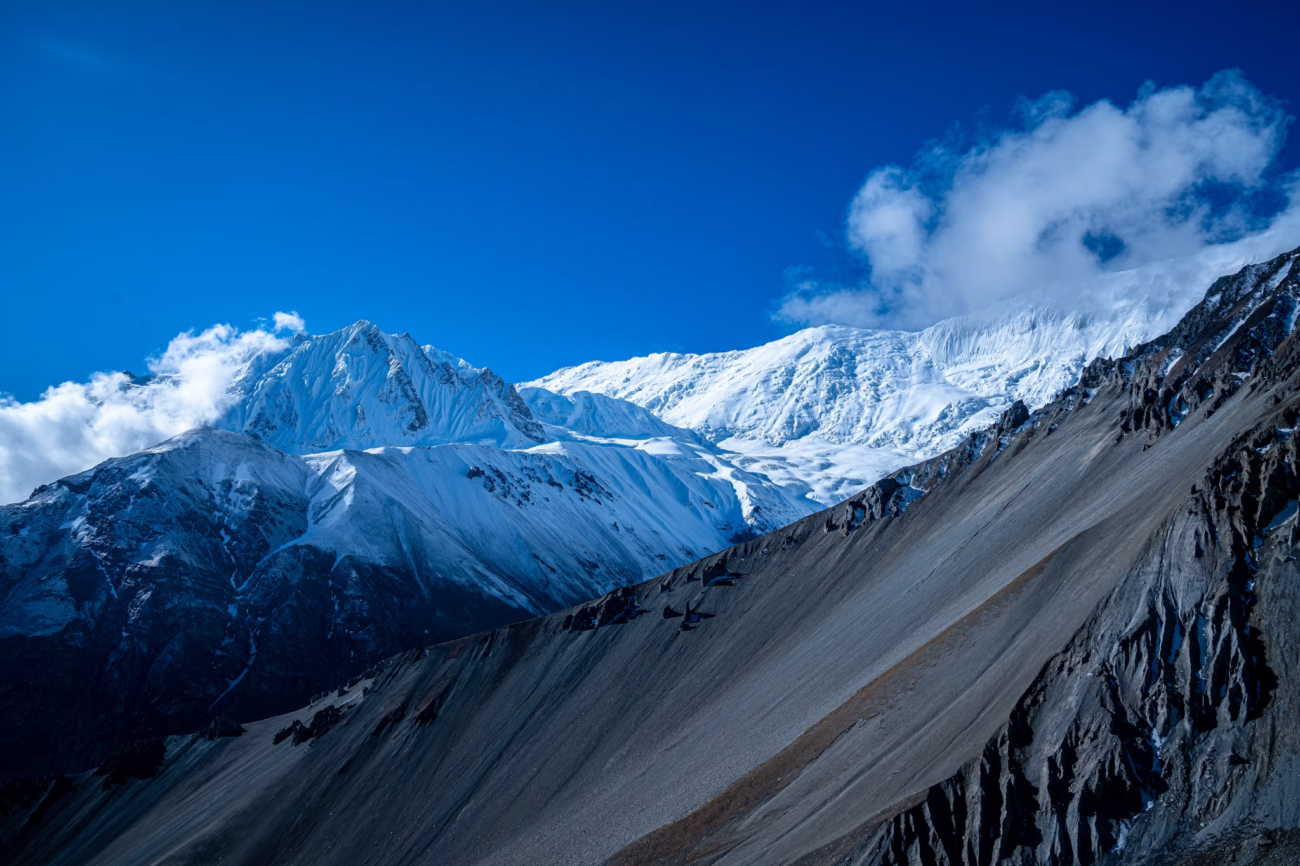
The Annapurna Circuit Trek isn’t a straight line toward one famous viewpoint — it’s a loop, and that changes everything about the experience. You pass through subtropical lower valleys, then dense forest, then arid high-altitude terrain that looks almost like Tibet, all within the same trek. Villages along the way reflect different ethnic groups and traditions, so the cultural texture shifts as much as the scenery does. The high point of the whole route is Thorong La, a demanding pass that trekkers usually cross early in the morning to avoid strong winds. One thing worth knowing upfront: road construction has reached parts of the traditional trail in recent years, so the route isn’t quite what it was a decade ago. Ask your operator exactly which sections you’ll walk versus drive.
What Makes Everest Trekking Different
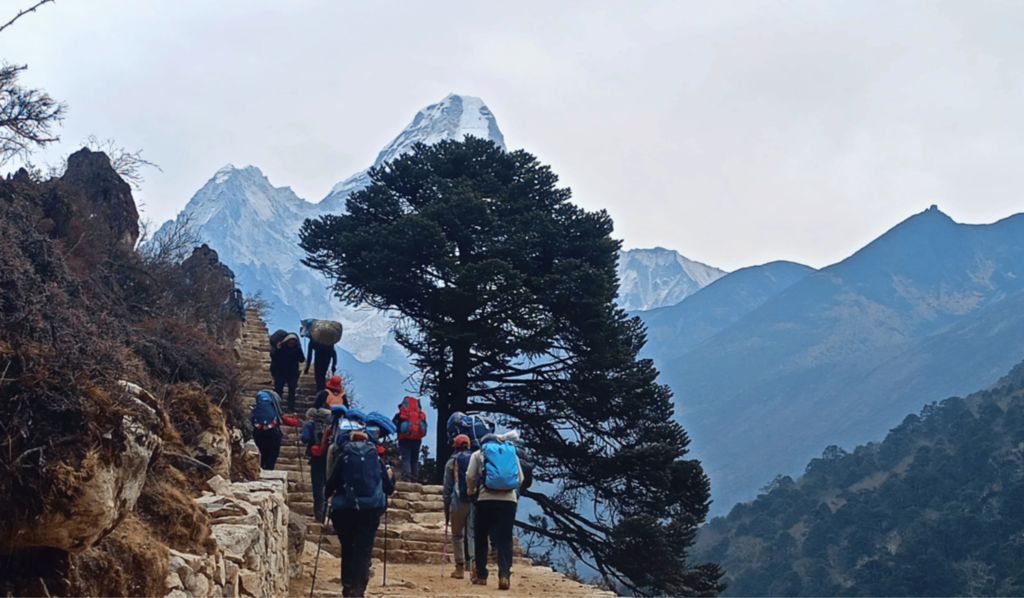
Everest Trekking pulls you into the Khumbu region, home to the Sherpa community and a string of Buddhist monasteries that give the trail a distinct spiritual undertone. Namche Bazaar functions as both a cultural hub and a critical acclimatization stop — most itineraries build in an extra night here before pushing higher. The classic goal for most trekkers is Everest Base Camp, though many extend the trip to Kala Patthar for what’s widely considered the best direct view of Everest itself. Getting there usually starts with a short, weather-dependent flight into Lukla, and from that point on, altitude becomes the single biggest factor shaping your daily pace.
Which Trek Fits Your Travel Style?
If You Want Changing Landscapes and a Complete Mountain Journey
If you’re the type of traveler who gets bored walking toward a single fixed point, the Annapurna route rewards that restlessness. The scenery genuinely changes day to day, which keeps the trek feeling fresh even on longer days.
If Everest Is the Main Reason You Are Coming to Nepal
Some people book their flights to Nepal specifically because of Everest. If that’s you, there’s no substitute — Everest Trekking exists to bring you as close as a non-climber realistically can get to the mountain, and the Khumbu’s scenery is built around that singular focus.
If Culture Matters as Much as Mountains
Both regions offer rich cultural experiences, but they’re not the same flavor. Annapurna gives you more variety across ethnic groups and altitude zones. The Khumbu gives you a more concentrated, deeply Sherpa-Buddhist experience, monasteries included.
Is Annapurna or Everest better for first-time trekkers? Both can work for beginners, provided the itinerary includes proper acclimatization and realistic daily distances — it’s the plan, not the region, that determines suitability.
Which trek has more cultural experiences? Annapurna typically offers more ethnic and geographic variety along a single route, while the Khumbu offers a more concentrated Sherpa cultural experience.
Which Nepal trek has better mountain views? That’s subjective — Annapurna’s views change constantly along the circuit, while Everest Trekking builds toward specific, dramatic viewpoints like Kala Patthar.
Altitude Is the Part of Trek Planning You Should Take Seriously
This is where I see people get it wrong most often. Altitude changes everything about how a trek feels, and it doesn’t care how many marathons you’ve run. Gradual acclimatization — giving your body time to adjust before climbing further — matters more than raw fitness. That’s why well-designed itineraries include rest days at key points, not because trekkers need a break from walking, but because their bodies need time to adapt.
Hydration and steady pacing help, but they don’t replace acclimatization days, and rushing a high-altitude itinerary to save one or two days is one of the most common mistakes we see. Whether you’re heading toward Thorong La or up toward Everest Base Camp and Kala Patthar, symptoms like persistent headache, nausea, or unusual breathlessness should never just be pushed through. Namche Bazaar exists on the Everest route largely because of this exact need for acclimatization.
How difficult are Annapurna and Everest treks? Difficulty depends on itinerary design, altitude gained per day, weather, trail conditions and individual acclimatization — not simply fitness level.
When Should You Plan an Annapurna or Everest Trek?
Nepal’s trekking calendar generally centers on autumn and spring, when skies tend to be clearer and trails more stable. Winter brings cold and snow at higher elevations, which can still work for lower sections but complicates high passes. Monsoon season is trickier — rain affects visibility and can disrupt both trail conditions and road access, particularly in areas where the trek overlaps with vehicle routes.
Here’s the part people miss: the same month can feel completely different depending on elevation. A pleasant spring day in a lower valley says nothing about conditions near Thorong La or Kala Patthar. And if your itinerary depends on the Lukla flight, weather delays are a real possibility you should plan around, not hope to avoid.
Don’t plan only around the month. Plan around altitude, route conditions, available buffer days, and your own tolerance for weather changes.
How Much Time Should You Leave for the Trek?
A rushed itinerary and a comfortable one can cover the same trail and produce completely different experiences. Extra days for acclimatization aren’t padding — they’re often the difference between finishing comfortably and turning back. Add to that the realistic chance of travel delays, whether it’s a grounded Lukla flight or a landslide-affected road section near Annapurna, and you start to see why buffer days matter so much.
One habit I’d genuinely encourage: don’t book your international flight home for the same day you’re scheduled to finish trekking. Build in at least one buffer day in Kathmandu. Trekking itineraries look clean on paper, but mountain weather and trail conditions rarely follow a printed schedule exactly.
What a Local Annapurna Trekking Agency Should Actually Help You With
A good Annapurna Trekking Agency does more than hand you a printed itinerary and wish you luck. Route planning should be matched to your actual walking ability and the time you have, not a one-size-fits-all template. Permits and documentation should be explained clearly before you land, not sorted out in a rush at the trailhead.
Guide and porter arrangements deserve real clarity too — who carries what, what’s expected of each role, and how costs are split. Accommodation and meals change significantly with elevation, and a responsible operator will tell you honestly what to expect at 4,000 meters versus a lower village, rather than glossing over it. Transport logistics, including road transfers and any flights involved, should be laid out in advance.
Emergency procedures are non-negotiable — you should know, before you start walking, what happens if someone becomes seriously ill or can’t continue. Weather changes deserve the same attention, especially for flight-dependent routes. And frankly, the best sign of a solid Annapurna Trekking Agency isn’t a flashy website — it’s whether they actually answer your specific questions before you book, instead of sending the same generic PDF to everyone. Annapurna Trekking is one example of the kind of local operator travelers encounter in this space, and the same standards apply regardless of which company you choose.
What I Would Ask Before Booking Any Nepal Trek
Before handing over a deposit, ask what’s actually included in the quoted price — permits, meals, accommodation, guide and porter fees can all be bundled differently between operators. Find out who your guide will be, not just “a guide will be assigned.” Ask what happens if weather disrupts transport, particularly flights, and whether an acclimatization day is already built into the schedule rather than treated as optional.
Get clarity on the emergency evacuation procedure and whether it involves insurance coordination on their end. Confirm whether permits are included in the price or handled separately. Ask what happens if you need to leave the trek early, and whether there’s a backup plan for delays that doesn’t just mean “wait and see.” Finally, get specific about the accommodation level being offered — “teahouse” can mean very different things depending on the route and elevation.
Packing for Annapurna and Everest: Pack for the Route, Not the Brochure
Skip the exhaustive gear list — the real principle is layering, not bulk. A solid pair of broken-in boots, rain protection, a warm layer for higher elevations, gloves and a hat for cold mornings, a reliable water bottle or hydration system, sunscreen, sunglasses, basic personal medication, a headlamp, and a manageable daypack cover most situations. Sleeping bag needs depend on your specific itinerary and accommodation type.
One honest observation from years of watching people pack: almost everyone overpacks at the start, and the same extra weight that felt harmless in a hotel room becomes genuinely annoying after six hours of walking uphill.
A Practical Decision: Annapurna Circuit or Everest Trekking?
| Your priority | Route to investigate |
| Long-distance circuit experience | Annapurna Circuit |
| Everest-focused experience | Everest region |
| Changing landscapes | Annapurna Circuit |
| Sherpa and Khumbu culture | Everest region |
| High mountain pass crossing | Annapurna Circuit |
| Classic Everest Base Camp objective | Everest region |
| Flight-dependent start | Everest routes involving Lukla |
Treat this as a planning tool, not a scoreboard. The Annapurna Circuit Trek and Everest Trekking each serve a different kind of traveler, and neither one is universally “better” — they’re built around different priorities.
Final Planning Advice From a Local Perspective
Choose your region based on what you actually want out of the trip, not what shows up first in search results. Build your itinerary around acclimatization instead of trying to shave off every possible day. Keep a buffer for transport delays and mountain weather, because both are common enough that “plan B” shouldn’t be an afterthought. Ask detailed questions before you pay anything, and treat altitude as a serious planning factor rather than a minor detail.
A good trekking plan should still make sense even if one part of the journey doesn’t go exactly as scheduled — and that’s true whether you end up on the Annapurna Circuit Trek or heading into the Khumbu for Everest Trekking.
Frequently Asked Questions About Annapurna and Everest Trekking
1. Is the Annapurna Circuit Trek harder than Everest Trekking?
Difficulty can’t be judged by name alone. It depends on altitude gained, daily walking distance, itinerary design, high passes involved, acclimatization planning, and your own physical condition on the day.
2. How many days do I need for the Annapurna Circuit Trek?
It varies based on your starting and ending points, how much of the route involves road transport, acclimatization needs, and whether you’re following a longer traditional route or a shortened version.
3. Is Everest Trekking suitable for first-time trekkers?
Yes, first-timers regularly complete Everest-region routes, but they need realistic preparation, a gradual acclimatization schedule, and an itinerary that doesn’t rush the altitude gain.
4. What is the best month for Annapurna Circuit Trek and Everest Trekking?
Autumn and spring are generally favored for both, but weather, elevation, and route-specific conditions matter more than simply picking a calendar month.
5. Do I need a guide for Annapurna and Everest trekking?
Guide requirements have changed in recent years and vary by region and permit type, so it’s worth confirming current rules directly with your agency. Beyond legal requirements, having local support offers practical advantages for navigation, safety, and communication.
6. How do I choose a reliable Annapurna Trekking Agency?
Look for transparent inclusions, clear permit handling, honest guide and porter arrangements, a defined emergency procedure, itinerary flexibility, responsive communication, and straightforward pricing — rather than relying on review counts alone.
