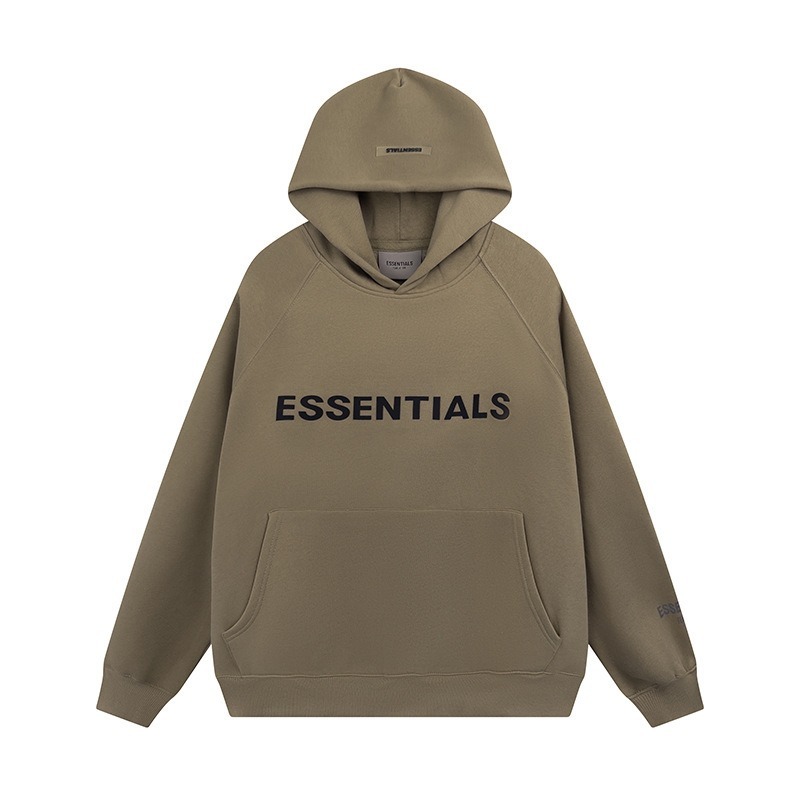
Inside the house a heavyweight hoodie feels like plenty. Then you open the door on a January morning in Winnipeg or Edmonton, and it’s a whole different story. Like pretty much all Essentials Clothing, the hoodie was made for comfort and layering, not for standing at a bus stop in minus 25 with nothing over it.
But you don’t have to pack it away until April either. It just gets a different job for a few months, which is sitting in the middle of your layers.
So Why Not Just Wear One Huge Coat?
Because our winters flip between icy sidewalks and buses, malls and offices that are cranked way too hot. With one big coat you’re kind of stuck being either cold outside or sweaty inside. Layers let you take a bit off and put it back on. Health Canada’s extreme cold advice says basically the same thing (dress in layers, keep something wind-resistant on the outside, and take a layer off before you start sweating).
That sweating bit is worth thinking about. Wet clothes pull heat out of you surprisingly fast, so staying dry kind of matters as much as piling on more stuff.
What Goes Under It and What Goes Over It
Closest to your skin, a normal tee is fine if you’re just running to the grocery store and back. If you’re going to be out for a couple of hours though, like walking the dog or waiting on a bus that’s late again, I’d switch to a thin merino or synthetic long-sleeve, because cotton hangs on to sweat and those mostly don’t.
Then the hoodie on top of that. The thick fleece holds warm air around you, and since the cut is loose anyway there’s room for the long-sleeve underneath without it feeling tight across your chest.
And then your coat, so a parka or a puffer or some kind of insulated jacket that actually stops wind and snow. If you’re buying a new one, wear your hoodie to the store and try the coat on over it. Oversized hoodies need pretty roomy armholes, and if they’re too narrow the sleeves bunch up at your elbows, and you’ll be sick of it by February.
A Rough Idea by Temperature
Everyone’s different here. Some people run hot, some are always freezing, and wind chill can make minus 5 feel a lot worse, so treat this as a loose starting point.
| Temperature | Suggested Layers |
| 5°C to 10°C | Hoodie on its own, or with a light denim or bomber jacket |
| 0°C to 5°C | Tee + hoodie + wool coat or light insulated jacket |
| -10°C to 0°C | Long-sleeve base + hoodie + puffer or parka, plus hat and gloves |
| Below -10°C | Thermal base + hoodie + insulated parka, scarf, mitts, warm boots |
Hood In or Hood Out?
Pulling the hood out over the coat collar is the usual streetwear look, and it’s actually handy, since you can flip it up over your toque when the wind picks up. Tucking it in looks a bit cleaner under a proper wool coat. Honestly I’d just let the coat decide.
Which Coats Work With It
Puffers are kind of the obvious match. Just check that yours comes down past the hoodie’s hem, because otherwise you get this strip of fleece sticking out the bottom and it looks a bit off. For the really brutal days a parka is what you want, ideally with a hood that blocks wind, and a wool overcoat looks sharper on milder days.
The Bus, the Office and Everything In Between
Transit is where most people overheat. You’re dressed for the platform, then you squeeze onto a packed bus with the heat blasting, and you’re sweating by the second stop. Unzip the coat as soon as you get on and push the hood back, and if it’s a long ride just take the coat off and hold it on your lap.
At work or in the mall it’s the same idea. Coat comes off, hoodie stays on, and you’ve basically got a comfy sweater for the day.
Your Legs Get Cold Too
A warm top with thin pants doesn’t get you very far out there. So on the colder days I’d throw thermal leggings on under jeans, or just go with thicker fleece bottoms. For errands and lazy weekends, a full Essentials Tracksuit with a long parka thrown over it covers pretty much whatever a city winter does to you.
And the shoes thing. Once the snow and road salt show up, canvas sneakers are kind of done until spring, so you’ll want boots that are insulated and at least somewhat water-resistant.
If It Gets Wet (It Will)
Wet snow, slush from a passing car, sleet on the walk home, so yeah it’s going to happen. When you get in just hang it over a chair to dry and keep it off the radiator, because that kind of heat can shrink the fleece. Salt on the cuffs comes off way easier with a damp cloth before it dries.
If you’re buying one mostly for winter, darker colours (black especially) hide salt stains and street grime much better than oatmeal or cream does.
A toque under the hood and a neck warmer inside the collar help a ton too, and on the really bad mornings I’d grab mitts over gloves.
Frequently Asked Questions
Is the hoodie warm enough by itself in winter?
Not really, only on the mild fall or spring days. In proper winter it’s the layer under your coat.
Should I get a size up for layering?
I wouldn’t bother. It’s already cut big, so a long-sleeve goes under it no problem, and you’d only size up if a chunky sweater is going under there too.
What jacket actually fits over it?
Most puffers and parkas, as long as the armholes are roomy, and it’s long enough to cover the hem.
Can I skip the coat and just wear the hoodie?
For a quick run to the corner store on a mild day, sure. Once it drops below zero though you’re going to want something windproof on top.
Wrapping It Up
So it’s basically a thin layer, then the hoodie, then a proper coat, and you take bits off or put them back on as the day goes. That works from the first frost pretty much until the snow melts.
Dress for whatever it’s doing outside, and your favourite hoodie will keep you comfy all winter, even on the coldest walk to the bus.
