Almost nobody cancels a dental appointment because they’ve decided their teeth don’t matter. They cancel because nothing hurts, the week is busy, and it feels like a visit they can safely push to next month. Then next month becomes next year.
The flaw in that logic is simple: pain is one of the last symptoms to arrive in dentistry, not one of the first. By the time a tooth aches, the problem has usually been developing for months. A dental checkup and clean exists to catch things during that silent stretch, when the fix is small.
Most dental problems are painless at the start
Decay begins in enamel, which has no nerve supply. It only becomes uncomfortable once it reaches the dentine beneath, and by then a filling is likely needed rather than fluoride and monitoring.
Gum disease is quieter still. The early stage, gingivitis, shows up as bleeding when you brush and is reversible with proper cleaning. Left alone, it can progress to periodontitis, where the bone supporting the teeth is gradually lost. That bone doesn’t grow back. Plenty of people reach that stage without ever having had a sore tooth.
What actually happens at a check-up
The examination
A dentist checks each tooth for decay, wear, cracks and failing restorations, then measures the gums to see whether pockets have deepened since last time. They’ll also examine the soft tissues, including the tongue, cheeks, palate and throat, looking for anything that needs further investigation. Head and neck cancers are far more treatable when picked up early, and this quiet part of the appointment is often the most valuable.
X-rays are taken at intervals based on your risk, not automatically at every visit. They show decay between teeth and bone levels around the roots, neither of which is visible by looking.
The clean
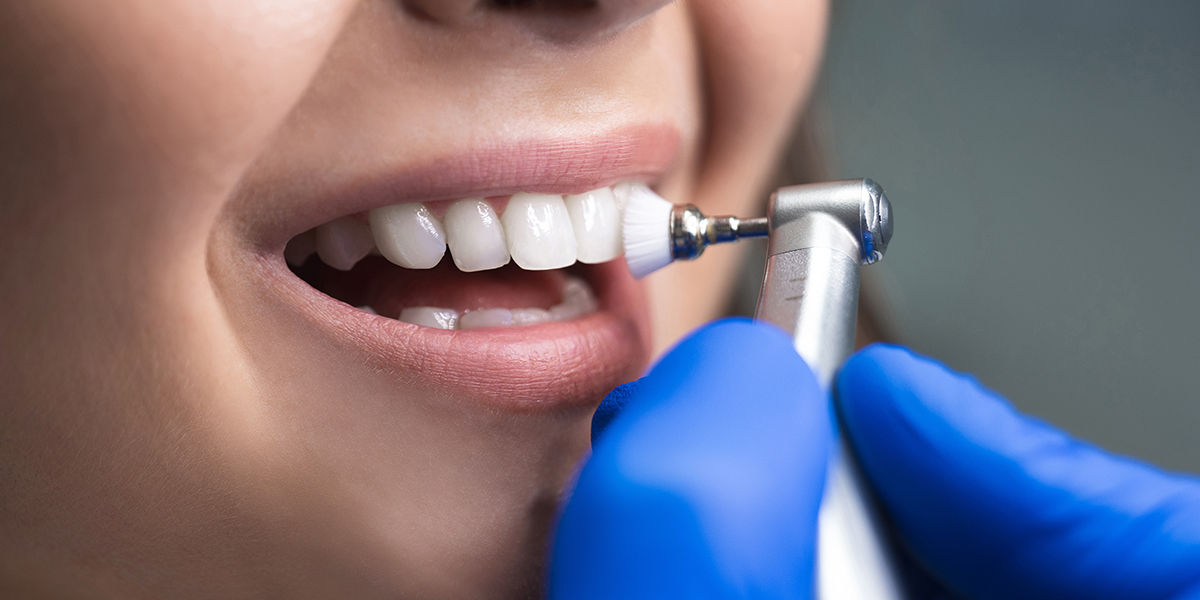
Plaque that isn’t removed within a day or two hardens into calculus, and calculus can’t be brushed off at home. Scaling removes it from above and below the gum line, which takes away the rough surface bacteria thrive on. A polish follows, lifting surface stain from coffee, tea, wine and smoking, and leaving a smoother surface that slows how fast new build-up forms.
What early detection actually saves you
The gap between early and late intervention is bigger than most people assume:
- Early enamel decay can sometimes be remineralised with fluoride and better home care. Advanced decay needs a filling, and decay that reaches the nerve needs root canal treatment or extraction.
- Gingivitis reverses with a clean and improved technique. Periodontitis requires ongoing management and can end in tooth loss.
- A hairline crack spotted early may be protected with a crown. The same tooth left alone can split beyond repair.
- A worn-down bite from grinding can be managed with a splint before the enamel is gone.
Preventive appointments are also the cheaper path, which matters given most dental care sits outside Medicare for adults.
How often should you actually go?
Six months is the familiar default, but the interval should reflect your own risk. People with a history of gum disease, high decay rates, dry mouth from medication, diabetes, or who smoke are often seen more frequently. People with consistently healthy mouths are sometimes safely seen less often. Ask your dentist what interval suits you rather than assuming the standard one applies.
Two practical notes for Australian households: private health extras generally reset each year and often cover preventive visits, and eligible children can access a capped amount of dental care over two calendar years through the Child Dental Benefits Schedule.
Frequently asked questions
I brush and floss well. Do I still need a clean?
Yes. Good home care controls plaque, but once it hardens into calculus, it can only be removed with dental instruments. The examination also picks up issues brushing has no effect on, such as cracks and decay between teeth.
Does a scale and clean hurt?
Most people find it uncomfortable at most. If your gums are inflamed or there’s heavy build-up, it can be more tender, and your dentist can use local anaesthetic if needed. Some sensitivity for a few days afterwards is normal.
What if I haven’t been in years?
You won’t be lectured. The first visit back is usually an examination, X-rays and a plan, and the work is often staged over several appointments rather than done all at once.
Can gum disease really affect the rest of my health?
Research has found associations between gum disease and conditions including diabetes and cardiovascular disease. The relationship isn’t fully settled, but keeping gums healthy is sound advice regardless.
