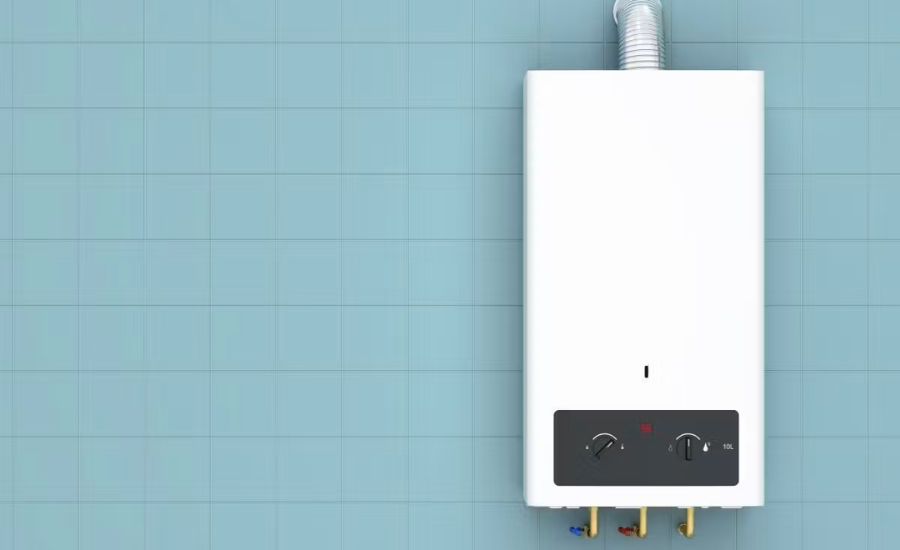
A reliable hot water system is an important part of everyday comfort, and modern technology has created several options for producing hot water efficiently. Among these options, a tankless water heater has become increasingly popular because it heats water when it is needed instead of continuously storing a large volume inside a traditional tank. This operating method can provide several benefits, including reduced standby energy losses, a compact design, and the ability to supply hot water for extended periods when the system is properly sized. However, choosing this type of equipment requires careful consideration of household demand, water flow, energy requirements, installation conditions, maintenance needs, and long-term operating costs. A system that is incorrectly sized or poorly installed may not provide the expected performance, even if the equipment itself is high quality. Understanding how tankless technology works can help property owners make better decisions about selection, installation, maintenance, repairs, and eventual replacement. With professional planning and appropriate care, this technology can provide dependable hot water while supporting efficient energy use and reducing the space required for traditional storage equipment.
Understanding How Tankless Systems Work
Traditional storage systems maintain a reservoir of heated water, which means energy may be used even when no hot water is being consumed. A tankless system works differently by activating its heating mechanism when water begins flowing through the unit. Cold water enters the system, passes through a heat exchanger, and leaves the appliance at an elevated temperature. The exact heating process depends on whether the system uses electricity, gas, or another energy source. When selecting a tankless water heater, it is important to understand that performance depends on both water flow and the required temperature increase. A unit must have enough heating capacity to raise incoming water to the desired temperature while supplying the necessary flow rate. This means that sizing cannot be based only on the number of bathrooms or occupants. The number of fixtures that may operate simultaneously and their individual flow rates are also important. Understanding these operating principles helps property owners select equipment that can consistently meet actual hot water demand.
Evaluating Household Hot Water Demand
Correct sizing is one of the most important factors in achieving reliable performance from a tankless system. Unlike a storage tank, which has a fixed volume of hot water available before recovery is necessary, a tankless model must continuously heat water as it flows. This creates a different set of sizing requirements. When choosing a tankless water heater, property owners should consider the maximum expected flow rate, the number of fixtures that may operate simultaneously, incoming water temperature, desired output temperature, and available energy capacity. For example, running a shower while another fixture is using hot water may require considerably more heating capacity than operating a single fixture. If the system is undersized, users may experience reduced temperatures or inconsistent performance when demand increases. Oversizing, however, may increase equipment and installation costs without providing meaningful advantages. A professional assessment can help calculate realistic peak demand and identify a system capable of meeting that demand efficiently. Careful planning before purchase can prevent many performance problems after installation.
Benefits of On-Demand Heating
One of the primary advantages of tankless technology is that it does not need to keep a large volume of water hot throughout the day. Traditional storage systems can experience standby heat loss because energy is gradually lost from the stored water even when no fixture is being used. A tankless water heater activates heating when hot water is needed, which can reduce this type of energy loss under suitable operating conditions. The compact design can also provide more flexibility because the equipment generally requires less physical space than a large storage tank. Another potential advantage is an extended supply of hot water because the system continues heating as long as the demand remains within its rated capacity and the energy supply is sufficient. This can be useful for households that experience periods of high or extended hot water usage. However, efficiency and performance depend on proper installation, sizing, maintenance, and operating conditions. The technology can provide significant benefits, but those benefits are most effectively achieved when the complete system is properly designed.
Considering Energy Efficiency
Energy efficiency is an important reason many property owners consider switching from traditional storage equipment to on-demand technology. Because a tankless system generally does not maintain a large reservoir of heated water continuously, it can reduce standby losses. However, actual energy savings vary according to usage patterns, equipment efficiency, incoming water temperature, energy source, and installation quality. A tankless water heater should be selected according to realistic household demand rather than relying solely on advertised efficiency ratings. Proper temperature settings can also influence energy consumption because heating water to unnecessarily high temperatures requires additional energy. Regular maintenance is another important factor because mineral buildup on heat-transfer components can reduce efficiency and force the system to work harder. Improving efficiency is therefore not simply a matter of purchasing newer equipment. It involves selecting the correct size, installing the unit properly, maintaining its components, and using the system responsibly. Evaluating these factors together can provide a clearer understanding of potential long-term energy savings.
Importance of Professional Installation
Professional installation is essential for ensuring that a tankless system operates safely and efficiently. The installation process can involve water connections, shutoff valves, electrical circuits, gas supplies, ventilation, mounting requirements, drainage, temperature controls, and other components depending on the system design. A tankless water heater may have different installation requirements than a traditional storage unit, particularly when it requires substantial electrical capacity or gas flow. Existing plumbing and energy infrastructure should therefore be evaluated before the equipment is selected. Inadequate electrical service or insufficient gas supply can prevent the system from achieving its rated performance. Incorrect venting can create serious safety concerns for combustion-based models. Professional installation also helps ensure that water connections are secure and that the appliance remains accessible for future maintenance. Proper installation provides a strong foundation for reliable operation and can reduce the likelihood of premature component failure, inconsistent temperatures, leaks, and unnecessary service expenses.
Understanding Water Flow Requirements
Water flow plays a central role in the performance of on-demand heating systems. Unlike storage equipment, which can provide hot water from a previously heated reservoir, a tankless unit must respond to the flow passing through the appliance. If the flow rate exceeds the system’s heating capacity, the output temperature may decrease. If the flow is too low for the unit’s activation requirements, the appliance may not operate continuously. When selecting a tankless water heater, property owners should therefore evaluate the flow rates of showers, faucets, appliances, and other fixtures that may use hot water. Low-flow fixtures may reduce demand and make it easier for a system to maintain the desired temperature, while high-flow fixtures may require additional capacity. Understanding these relationships is particularly important when several fixtures can operate at the same time. A professional can calculate expected demand and recommend equipment that matches the property’s actual plumbing usage rather than relying on generalized assumptions.
Managing Mineral Buildup
Mineral deposits can affect tankless systems because water passes directly through internal heat-transfer components. Over time, minerals can accumulate on these surfaces and reduce the efficiency of heat transfer. Severe buildup may restrict water flow, increase heating time, produce temperature fluctuations, or place additional stress on internal components. Regular maintenance can help control these deposits and preserve system performance. Depending on water conditions and manufacturer recommendations, a tankless water heater may require periodic flushing or descaling. The appropriate maintenance frequency varies according to water hardness, usage, system design, and other factors. Property owners should follow the manufacturer’s maintenance guidelines rather than assuming that every system requires the same service interval. Professional maintenance can also provide an opportunity to inspect filters, valves, connections, temperature controls, and other components. Addressing mineral buildup before it becomes severe can help protect the heat exchanger and maintain more consistent hot water delivery.
Maintaining Consistent Performance
Several maintenance practices can help a tankless system operate reliably over its useful life. In addition to controlling mineral deposits, maintenance may involve cleaning filters, inspecting connections, checking valves, evaluating temperature controls, and examining other components specified by the manufacturer. A tankless water heater that receives regular professional attention is more likely to maintain efficient heat transfer and consistent water temperature. Property owners should also monitor the appliance for unusual sounds, unexpected temperature changes, reduced flow, error indicators, or unexplained shutdowns. These symptoms may indicate a developing problem that should be investigated before the equipment experiences a complete failure. Routine maintenance can also help identify worn components before they affect other parts of the system. Keeping maintenance records is useful because technicians can review previous service and determine whether a recurring issue requires additional attention. Consistent care can support reliability while potentially reducing the frequency and cost of unexpected repairs.
Recognizing Common Problems
Although tankless systems offer several advantages, they can still experience performance problems. Temperature fluctuations may result from inadequate sizing, excessive flow, mineral buildup, sensor issues, or other component problems. A system that repeatedly shuts down may have an electrical, gas supply, ventilation, or control issue depending on its design. Reduced water flow can sometimes be associated with clogged filters or mineral deposits. Error codes may provide useful information but should not always be treated as a complete diagnosis. When a tankless water heater develops an unusual problem, professional evaluation can help determine the underlying cause rather than simply resetting the equipment repeatedly. Continued operation with an unresolved issue may place additional stress on internal components. Prompt diagnosis can make repairs more manageable and may prevent a relatively minor issue from developing into a major system failure. Property owners should pay attention to changes in performance and seek qualified assistance when the appliance does not operate as expected.
Repair and Component Replacement
Tankless systems contain several components that may eventually require service because of normal wear, mineral buildup, electrical problems, or other operating conditions. Depending on the system, these components can include sensors, heating elements, burners, control boards, valves, filters, ignition parts, and heat-transfer components. When a tankless water heater develops a malfunction, replacing parts without confirming the cause can result in unnecessary expenses and may fail to solve the actual problem. Professional diagnosis allows technicians to test relevant components and determine which part is responsible for the symptom. In some cases, cleaning or adjustment may restore proper performance, while other situations may require replacement of a damaged component. It is also important to use compatible parts that meet the equipment’s specifications. Proper repair can restore efficiency and reliability while reducing the likelihood of repeated failures. A systematic approach is more effective than treating every symptom as an isolated component problem.
Safety Considerations
Tankless equipment can involve electricity, gas, high temperatures, water pressure, and combustion, depending on the system type. These factors make safety an important consideration during installation, maintenance, and repair. Gas-powered units require proper combustion and ventilation, while electric systems require appropriate circuits, wiring, and protective devices. A tankless water heater should never have safety controls bypassed simply to keep the equipment operating when a malfunction occurs. Property owners should also avoid attempting complex repairs without appropriate training because incorrect work can result in electrical shock, burns, gas-related hazards, water leaks, or equipment damage. Professional technicians can follow the manufacturer’s procedures and use suitable testing equipment when diagnosing problems. Safety devices should remain functional at all times, and any unusual gas odor, electrical problem, significant leak, or serious combustion concern should receive immediate professional attention. Proper safety practices protect both the equipment and the people who rely on it.
Comparing Tankless and Storage Systems
Tankless and traditional storage systems each have characteristics that may make them suitable for different applications. Storage models can provide a large volume of heated water immediately but may experience standby losses while maintaining tank temperature. Tankless systems generally reduce standby heating but require sufficient heating capacity to meet real-time demand. A tankless water heater may also have a longer usable service life under appropriate conditions, although actual longevity depends on installation quality, water conditions, maintenance, usage, and equipment design. Storage systems may have simpler installation requirements in some situations, while tankless models can require upgrades to electrical or gas infrastructure. Initial equipment and installation costs can also differ considerably. Property owners should compare total ownership costs rather than looking only at the purchase price. Energy consumption, maintenance, available space, expected service life, repair requirements, and household demand should all be considered when determining which system offers the best long-term value.
Extending System Life
Proper maintenance and responsible operation can help maximize the useful life of on-demand heating equipment. Regular descaling, filter cleaning, inspection, and professional servicing can help prevent mineral buildup and component deterioration. Maintaining appropriate temperature settings can also reduce unnecessary stress on heating components. Property owners should respond promptly when the system begins showing unusual symptoms instead of waiting until the appliance stops working entirely. A tankless water heater that receives timely maintenance and repair may provide reliable performance for many years, depending on the equipment quality and operating conditions. Keeping the installation area accessible can make future inspections easier and allow technicians to identify problems more efficiently. It is also important to follow manufacturer recommendations because maintenance requirements can vary significantly between models. Proactive care is generally more effective than waiting for a major breakdown and can help reduce unexpected expenses while supporting consistent hot water availability.
When Replacement Becomes Necessary
Even a well-maintained system will eventually reach the end of its useful service life. Repeated repairs, declining efficiency, persistent performance problems, severe internal deterioration, and increasingly expensive replacement parts may indicate that continued service is no longer economical. When evaluating whether to replace a tankless water heater, property owners should consider the age of the system, previous repair history, maintenance requirements, energy consumption, available replacement technology, and expected future reliability. A relatively new appliance with one failed component may be worth repairing, while an older unit experiencing repeated failures may provide better long-term value when replaced. The decision should also consider whether current hot water demand has changed since the original installation. If household usage has increased, a replacement system may need greater capacity than the original equipment. A professional assessment can help compare repair and replacement options and ensure that the selected solution meets current requirements.
Final Thoughts
Tankless technology can provide an efficient and space-saving approach to hot water production when the system is correctly selected, professionally installed, and properly maintained. Understanding flow requirements, energy needs, equipment capacity, maintenance schedules, and safety considerations is essential for achieving reliable performance. A properly sized tankless water heater can deliver hot water on demand while reducing standby energy losses and providing continuous supply within its rated capacity. However, the technology is not maintenance-free, and mineral buildup, component wear, incorrect sizing, and installation problems can affect performance over time. Regular inspections and timely maintenance can help preserve efficiency, while professional repairs can address developing problems before they become major failures. Property owners should evaluate both short-term costs and long-term operating value when selecting or replacing equipment. With careful planning, qualified installation, routine maintenance, and responsible operation, a tankless system can provide dependable hot water and strong long-term performance while supporting efficient use of energy and available space.
