Heating and cooling equipment plays an essential role in maintaining a comfortable indoor environment throughout the year. Because HVAC systems operate regularly, their components can gradually collect dust, experience normal wear, or develop small performance issues that become more serious when left untreated. Preventive care provides an opportunity to inspect the equipment, identify developing problems, and keep important components operating under suitable conditions. A professional hvac tune up can help property owners understand the condition of their system while supporting reliable performance, efficient operation, and consistent comfort. Instead of waiting for an unexpected breakdown, regular attention allows potential concerns to be addressed before they interfere with the system’s ability to heat or cool the building effectively.
Understanding HVAC System Performance
An HVAC system depends on multiple components working together to provide heating and cooling. Depending on the equipment, these components may include filters, coils, blowers, motors, thermostats, electrical controls, ductwork, drainage systems, refrigerant circuits, and safety devices. A problem with one component can affect the operation of others, which is why a complete inspection is often more useful than addressing only one visible symptom. During an hvac tune up, a qualified technician can evaluate important parts and operating conditions to identify potential concerns. This type of preventive service can provide valuable information about equipment condition and help property owners determine which maintenance tasks or repairs may be appropriate.
Why Preventive HVAC Maintenance Matters
Preventive maintenance is designed to identify potential problems before they become major equipment failures. HVAC systems can sometimes continue operating even when components are dirty, worn, or functioning below their intended performance level. Over time, these conditions may increase operating costs and place additional stress on mechanical and electrical components. Scheduling an hvac tune up gives a technician an opportunity to inspect the equipment while it is still operating and identify issues that may otherwise remain unnoticed. Preventive care can also make future maintenance more predictable because property owners can plan necessary repairs rather than dealing with unexpected failures at inconvenient times.
Checking Air Filters
Air filters are among the most important components for maintaining suitable airflow through an HVAC system. They capture dust, dirt, hair, and other airborne particles before air passes through the equipment. As debris accumulates, the filter can become restrictive and reduce the amount of air moving through the system. Restricted airflow may cause longer operating cycles, uneven temperatures, and additional stress on blower components. During an hvac tune up, technicians can inspect the filter and determine whether it should be replaced or cleaned based on the equipment and filter design. Property owners should also check filters regularly between professional visits and follow the manufacturer’s recommended maintenance schedule.
Inspecting Electrical Components
HVAC systems rely on electrical components to operate motors, fans, controls, ignition systems, sensors, and other equipment. Wiring connections can loosen over time, while components such as capacitors, relays, contactors, and control boards can experience normal wear. Electrical problems may result in intermittent operation, failure to start, unusual noises, or unexpected shutdowns. Because HVAC equipment can contain dangerous electrical voltages, complex electrical work should always be handled by qualified professionals. An hvac tune up can include inspection of appropriate electrical components to identify signs of deterioration, overheating, loose connections, or abnormal operation before they contribute to a larger equipment problem.
Cleaning and Inspecting Coils
Coils are essential for transferring heat during heating and cooling operation. Dust and debris can accumulate on coil surfaces and interfere with heat transfer, reducing system efficiency. A dirty evaporator coil can affect cooling performance, while a dirty condenser coil can make it harder for the system to release heat. The equipment may then operate for longer periods to achieve the desired temperature. During an hvac tune up, coils can be inspected and cleaned when appropriate for the equipment. Proper cleaning methods are important because improper tools or chemicals can damage coil surfaces. Maintaining reasonably clean coils supports effective heat transfer and can help reduce unnecessary operating strain.
Evaluating Airflow
Adequate airflow is necessary for an HVAC system to distribute conditioned air throughout a building. Airflow can be affected by dirty filters, blocked vents, damaged ductwork, blower problems, or other restrictions. When airflow is inadequate, certain rooms may remain uncomfortable even though the HVAC system continues running. During an hvac tune up, technicians can evaluate airflow and investigate possible restrictions when performance does not appear normal. Property owners can also support airflow by keeping supply vents and return registers free from furniture, curtains, storage items, and other obstructions. Maintaining appropriate airflow helps improve air distribution and can support more efficient equipment operation.
Inspecting Ductwork
Ductwork provides the pathway through which heated and cooled air travels to different areas of a building. Leaks, disconnected sections, damaged insulation, and restrictions can reduce the amount of conditioned air that reaches occupied spaces. Duct problems may also cause some rooms to remain warmer or cooler than others. During an hvac tune up, accessible ductwork can be reviewed for visible signs of damage or conditions that may affect air distribution. If persistent airflow or temperature problems exist, a more detailed duct evaluation may be recommended. Keeping ductwork in suitable condition can help reduce conditioned-air losses and improve the effectiveness of the entire HVAC system.
Checking Thermostat Operation
The thermostat controls when heating or cooling equipment operates and helps maintain the selected indoor temperature. If a thermostat is inaccurate or malfunctioning, the system may cycle too often or operate longer than necessary. Thermostat placement can also influence readings if the device is exposed to direct sunlight, drafts, appliances, or other unusual temperature sources. During an hvac tune up, a technician can check thermostat operation and verify that the equipment responds appropriately to temperature settings. Programmable and smart thermostats can also be reviewed to ensure schedules are configured properly. Accurate controls can help the HVAC system respond more effectively to actual comfort requirements.
Examining Refrigerant Conditions
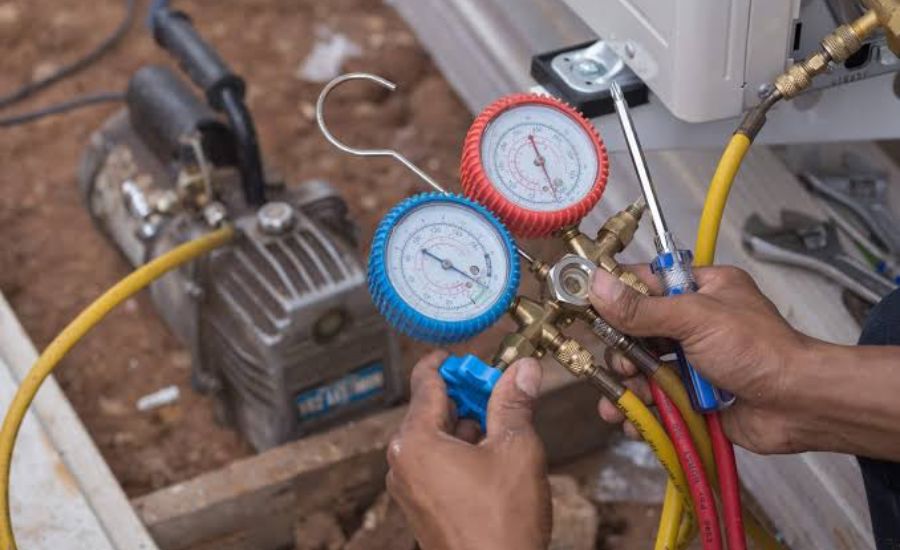
Air conditioners and heat pumps rely on refrigerants to transfer heat efficiently. Incorrect refrigerant conditions can contribute to poor cooling performance, longer operating cycles, and additional stress on components. If refrigerant appears low, simply adding more may not address the underlying issue because a leak or another system problem could be responsible. During an hvac tune up, qualified technicians can evaluate system performance and look for signs of refrigerant-related concerns. If a leak is suspected, it should be diagnosed and addressed using appropriate professional procedures. Maintaining proper refrigerant conditions helps support efficient heat transfer and protects major components such as the compressor.
Inspecting Condensate Drainage
Cooling equipment removes moisture from indoor air and produces condensation during normal operation. This moisture typically flows through a condensate drain system and is directed away from the HVAC equipment. Dirt, algae, and debris can accumulate in the drain over time and create restrictions. A blocked condensate drain can cause water to back up and potentially leak around the indoor unit. During an hvac tune up, technicians can inspect the drainage system and identify signs of blockage or improper water flow. Keeping the drain system clear can help reduce the possibility of water damage and support reliable cooling performance.
Examining Motors and Moving Parts
HVAC equipment contains several moving components, including blower motors, fans, bearings, and other mechanical parts. Repeated operation can gradually cause normal wear, particularly when equipment is not properly maintained. Unusual vibration, squealing, grinding, rattling, or reduced airflow can sometimes indicate mechanical problems. During an hvac tune up, technicians can inspect relevant moving components for signs of wear or abnormal operation. Some systems may require specific lubrication, while others use sealed components that do not require routine lubrication. Following manufacturer recommendations is important because incorrect maintenance can create additional problems rather than improving performance.
Improving Energy Efficiency
Energy efficiency is an important consideration because HVAC equipment can consume substantial amounts of energy during periods of frequent operation. Dirty filters, contaminated coils, restricted airflow, malfunctioning controls, and worn components can cause the system to run longer than necessary. An hvac tune up can help identify conditions that may be contributing to inefficient operation and provide an opportunity for appropriate maintenance or adjustments. While preventive service cannot eliminate energy consumption, it can help equipment operate under more suitable conditions. Combining HVAC maintenance with appropriate thermostat settings, good insulation, and unobstructed airflow can further support efficient building operation.
Reducing Unexpected Breakdowns
Unexpected HVAC failures can disrupt comfort and may require urgent service. Preventive inspections can reduce some of the risks associated with neglected maintenance by identifying developing problems before they cause complete equipment failure. Worn electrical components, dirty coils, restricted drains, failing motors, and other concerns may be easier to address when discovered during scheduled maintenance. An hvac tune up can also give property owners an opportunity to discuss unusual sounds, odors, temperature changes, or airflow problems with a qualified technician. Although no maintenance program can guarantee that an HVAC system will never fail, regular inspection can improve awareness of equipment condition and reduce avoidable problems.
Preparing for Seasonal Demand
HVAC equipment can experience increased workloads during periods of extreme heating or cooling demand. Preparing the system before these periods can help identify maintenance concerns while there is still time to address them. Cooling preparation may involve inspecting filters, coils, drainage, electrical components, refrigerant-related conditions, and airflow. Heating preparation can involve checking filters, controls, ignition components, burners, heat exchangers, and other system-specific parts. Scheduling an hvac tune up before peak seasonal use gives technicians an opportunity to identify developing problems and helps property owners prepare the equipment for increased operation.
Improving Indoor Comfort
Indoor comfort depends on more than simply setting a thermostat to a preferred temperature. Uneven airflow, dirty equipment, control problems, humidity issues, and inconsistent operating cycles can all influence how comfortable a building feels. If certain rooms remain too warm or too cool, the cause may involve airflow, ductwork, equipment performance, or controls. During an hvac tune up, technicians can evaluate these areas and identify conditions that may be affecting comfort. Addressing performance problems can help the system distribute conditioned air more consistently. Better equipment operation can therefore contribute to a more comfortable indoor environment while also supporting efficient performance.
Extending Equipment Lifespan
HVAC equipment is a significant investment, and property owners generally want to keep their systems operating effectively for as long as practical. Although normal aging cannot be avoided, unnecessary stress caused by poor maintenance can accelerate component wear. Clean filters, appropriate airflow, clean coils, functioning electrical components, and timely repairs can all support better equipment care. An hvac tune up can help identify parts that are showing signs of wear and provide an opportunity to address problems before they lead to more extensive damage. Following manufacturer recommendations and maintaining a consistent service routine can help preserve system performance and potentially delay premature replacement.
Recognizing Warning Signs
Property owners should pay attention to changes in normal HVAC operation. Unusual noises, strange odors, weak airflow, frequent cycling, water around equipment, inconsistent temperatures, or unexplained increases in energy consumption may indicate that the system requires attention. Some warning signs may be minor, while others can indicate developing mechanical, electrical, or control problems. Ignoring these symptoms can allow a relatively small issue to become more serious. Professional evaluation can determine the cause and identify the appropriate response. Combining regular observation with scheduled maintenance provides property owners with a better opportunity to address problems before they result in major equipment failures.
When Professional Service Is Needed
Some basic HVAC maintenance tasks can be completed by property owners, including checking filters, keeping vents unobstructed, and monitoring thermostat settings. More technical procedures should be performed by qualified professionals because HVAC equipment can involve high-voltage electricity, refrigerant circuits, combustion components, and moving machinery. Attempting complex repairs without proper training can create safety hazards and potentially damage the equipment. Professional technicians have the appropriate tools and knowledge to inspect system components and diagnose performance issues. Scheduling an hvac tune up with a qualified professional provides a structured opportunity to evaluate equipment condition and address maintenance concerns.
Creating a Long-Term Maintenance Plan
A consistent maintenance plan makes HVAC care more manageable and predictable. Property owners can keep records of service visits, filter replacements, repairs, component changes, and other maintenance activities. These records can help identify recurring problems and provide useful information during future inspections. The appropriate maintenance frequency depends on the type of HVAC equipment, its age, operating environment, usage, and manufacturer recommendations. Combining professional inspections with routine filter checks and basic visual observations can help ensure important tasks are not overlooked. A long-term approach can also help property owners plan repairs and eventual equipment replacement instead of making rushed decisions after an unexpected failure.
Final Thoughts
Reliable HVAC performance depends on regular attention to the components and conditions that influence system operation. Filters, coils, airflow, ductwork, thermostats, electrical connections, drainage systems, refrigerant circuits, motors, and controls all contribute to overall equipment performance. Preventive maintenance provides an opportunity to identify developing problems, support efficiency, improve comfort, and reduce unnecessary mechanical stress. An hvac tune up can be an important part of this preventive strategy because it allows qualified professionals to evaluate equipment before small concerns become major failures. By combining scheduled professional service with regular filter care, clear airflow pathways, appropriate thermostat settings, and prompt attention to warning signs, property owners can support dependable HVAC performance and help extend the useful life of their equipment.
