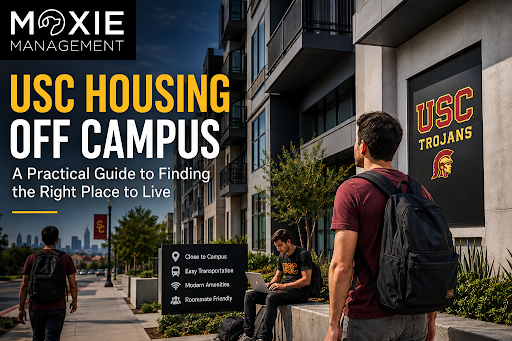
Finding a comfortable place to live near the University of Southern California can make student life much easier. Choosing the right USC Housing Off Campus option gives students more flexibility with location, budget, privacy, and daily routines. Instead of waiting until the last minute, students can compare neighborhoods, rental options, amenities, and transportation before making a decision.
Why Consider Housing Off Campus?
Living away from university housing can offer several advantages. Students may have access to a wider selection of apartments and shared homes, making it easier to find a place that matches their needs.
Off campus housing can also provide more independence. Students may choose their preferred room arrangement, decide who they want to live with, and select a neighborhood based on their lifestyle.
Some common reasons students consider off campus housing include:
- More choices in apartment size and layout
- Flexible living arrangements
- Opportunities to share rent with roommates
- Access to different neighborhoods
- More control over daily routines
- Potentially more space than a traditional student residence
The right choice depends on personal priorities, so it is useful to make a list before beginning the search.
Start With a Realistic Housing Budget
Budget should be one of the first things to consider when searching for USC Housing Off Campus. Rent is only one part of the monthly cost. Students should also account for utilities, internet, transportation, groceries, and other regular expenses.
Creating a simple monthly budget can make the search much easier. Start with the maximum amount available for housing and then leave some room for additional expenses.
If sharing an apartment with roommates, calculate the expected cost per person. Ask whether utilities are included in the rent and find out how deposits and other fees work before signing anything.
A slightly less expensive apartment may be a better choice if it helps keep monthly expenses manageable throughout the academic year.
Choose a Convenient Location
Location can have a major effect on the student experience. A home that looks affordable may become less convenient if getting to campus takes too much time every day.
When comparing areas, consider the distance to campus, transportation options, nearby grocery stores, restaurants, libraries, and other places you visit regularly.
Walking distance can be especially useful for students who prefer not to rely on a car. Others may prioritize access to public transportation or convenient parking.
It can help to check the area during different parts of the day before making a final decision. A quick visit can provide a better sense of the surroundings than an online listing alone.
Decide What Type of Home You Need
Students looking for off campus housing have several choices. Apartments, shared houses, private rooms, and other rental arrangements can all have different advantages.
A private apartment may provide greater privacy but can cost more. Sharing with roommates can reduce individual expenses while also providing a social living environment.
Before choosing a property, think about the amount of space you actually need. Consider the number of bedrooms, bathrooms, kitchen facilities, storage space, laundry access, and common areas.
It is also useful to discuss expectations with potential roommates. Questions about cleaning, guests, quiet hours, shared expenses, and household responsibilities can prevent disagreements later.
Pay Attention to Amenities
Amenities can make everyday life more convenient. When comparing USC Housing Off Campus options, look beyond attractive photographs and check what the property actually provides.
Useful features may include:
- In unit or on site laundry
- Reliable internet availability
- Furnished rooms
- Air conditioning
- Kitchen appliances
- Secure entry
- Study areas
- Parking
- Outdoor spaces
Not every student needs all of these features. Prioritize the amenities that will genuinely improve your daily routine rather than paying extra for things you rarely use.
Read the Rental Agreement Carefully
A rental agreement contains details that should never be overlooked. Before signing, read the full document and make sure you understand the rental period, monthly payment, deposit requirements, maintenance responsibilities, and rules for ending the agreement.
Ask questions about anything that seems unclear. It is much easier to resolve concerns before signing than after moving in.
Students should also confirm which services are included in the monthly rent. If utilities are separate, ask how they are billed and whether there are any additional property charges.
Keeping a copy of the signed agreement and related documents is also a good habit.
Think About Transportation
Getting to campus should be part of the housing decision. Even a great apartment can become inconvenient if transportation is difficult.
Students can compare walking routes, public transportation, cycling options, and driving times. Those who have cars should check whether the property includes parking and whether additional parking costs apply.
During busy class schedules, saving even a small amount of travel time each day can make a noticeable difference. A convenient location can leave more time for studying, rest, and activities outside class.
Inspect the Property Before Moving In
If possible, inspect the property before committing to a rental. Look at the condition of doors, windows, appliances, plumbing, lighting, flooring, and other important areas.
Take photographs of existing damage and keep them with your move in records. This can help document the condition of the property from the beginning of the rental period.
If an in person visit is not possible, request detailed photographs or a virtual tour and ask specific questions about anything that is not clear.
Make Your Search More Organized
Finding suitable USC Housing Off Campus options becomes easier when the search is organized. Create a shortlist and compare each property using the same criteria.
A simple comparison can include monthly rent, distance from campus, transportation, utilities, amenities, roommate arrangements, lease terms, and overall suitability.
Rather than choosing the first property that looks appealing, give yourself enough time to compare several options. The extra effort can help you find a home that fits both your academic routine and your personal preferences.
Once the right place checks the important boxes, the search starts feeling less like a hunt and more like the beginning of a new chapter, with your keys in hand and your campus routine already taking shape.
