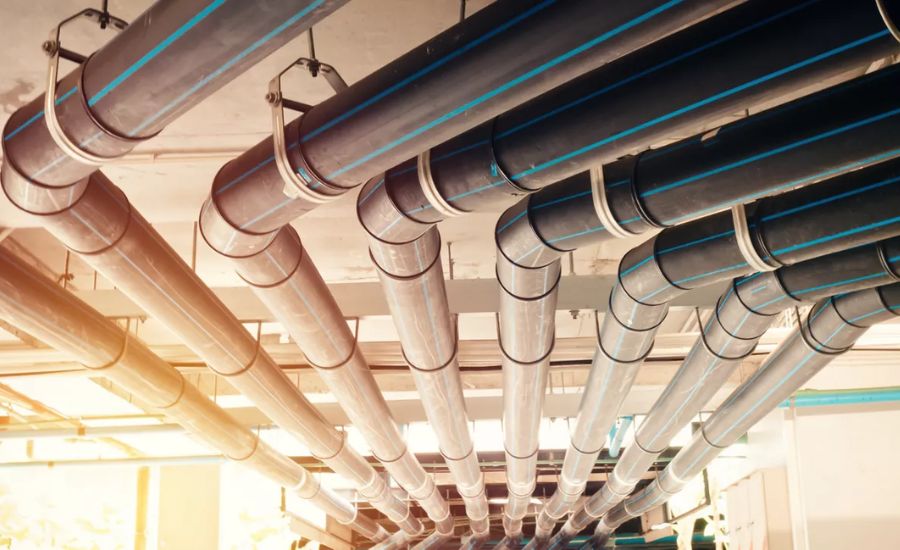
Reliable water storage is one of those parts of a property that often receives little attention until there is a supply problem. For homes, apartment buildings, offices, hotels, and industrial facilities, having an appropriately planned storage system can make everyday operations more dependable.
Good planning is not simply about choosing the largest available capacity. Property owners need to think about daily consumption, available installation space, material selection, structural support, plumbing connections, hygiene, and future maintenance.
Making these decisions early can help create a system that remains practical and efficient for years.
Begin With Daily Usage
Every property has different storage requirements. A small family home cannot be planned in the same way as an apartment block, hotel, school, warehouse, or manufacturing facility.
The first step should be estimating typical consumption and identifying periods when demand may be higher than normal.
Before choosing a water tank, consider factors such as:
- Number of occupants or regular users
- Average daily consumption
- Reliability of the main supply
- Peak usage periods
- Emergency reserve needs
- Possibility of future expansion
The objective is to select enough capacity to meet realistic requirements without unnecessarily increasing cost or occupying valuable space.
Choose a Suitable Installation Location
Storage location can have a major influence on the overall design.
Depending on the property, equipment may be positioned at ground level, on a rooftop, underground, or within a dedicated service area. Each option presents different considerations.
Ground-level systems require adequate space and a suitable supporting base. Rooftop installations require careful consideration of structural loads, while underground arrangements involve excavation, drainage, and access requirements.
Maintenance access should also be considered from the beginning. A system that fits into a narrow space may be difficult to inspect or service later.
Select Materials According to the Project
Different materials provide different characteristics, so selection should be based on the intended application rather than price alone.
Common options include polyethylene, reinforced composites, steel, and concrete. Factors such as installation environment, required capacity, corrosion exposure, maintenance expectations, and available space can influence the decision.
For larger projects, a GRP tank can be considered where modular construction and corrosion resistance are useful. Because modular systems can be assembled at the installation location, they may also be practical for sites where access makes transporting a large pre-formed unit difficult.
Smaller residential properties may require a much simpler solution.
Do Not Overlook Structural Support
Stored liquid creates significant weight. The foundation or supporting structure must therefore be appropriate for the complete operating load.
A stable and level base helps distribute weight correctly and supports long-term performance. Poor preparation can contribute to uneven loading and unnecessary stress on the installation.
Rooftop installations require additional attention because the building itself must safely support the load. Large or complex installations may require assessment by an appropriately qualified professional.
Plan Plumbing Connections Carefully
An efficient storage system depends on correctly planned pipework and fittings.
Inlet, outlet, overflow, drainage, valves, and associated pumping equipment should be positioned according to the requirements of the property.
Good plumbing design can improve everyday operation while making future maintenance easier. Important components should remain reasonably accessible so technicians can inspect or replace them without unnecessary disruption.
Keep Cleanliness a Priority
Storage conditions can influence water quality, particularly where the supply is intended for domestic use.
Covers and access points should be properly secured to reduce the possibility of dust, insects, debris, and other contaminants entering the system. Appropriate ventilation and overflow arrangements should also be incorporated into the design.
Over time, sediment may accumulate internally. Periodic cleaning and inspection are therefore important.
For potable applications, property owners should ensure that the selected materials, installation, and maintenance procedures comply with applicable local requirements.
Consider Climate and Environmental Exposure
Outdoor equipment can be exposed to sunlight, temperature changes, humidity, dust, and other environmental conditions.
Material selection and installation methods should take these factors into account. The requirements for an indoor utility area can be very different from those for equipment installed outdoors or in a coastal environment.
Understanding site conditions before purchasing equipment helps reduce the risk of choosing a system that is poorly suited to its surroundings.
Make Maintenance Easy
Long-term performance depends partly on how easily the system can be inspected and maintained.
Technicians should have suitable access to fittings, covers, valves, connections, drainage points, and other serviceable components.
Routine inspections can help identify:
- Small leaks
- Loose fittings
- Damaged connections
- Sediment accumulation
- Deteriorated seals
- Physical damage
Finding minor problems early can reduce the likelihood of larger and more expensive repairs.
Look Beyond the Initial Purchase Price
The cheapest option is not always the most economical over its full service life.
Property owners should consider the total cost associated with transportation, foundation preparation, installation, plumbing, maintenance, cleaning, inspections, and possible repairs.
Durability and ease of servicing can sometimes justify a higher initial investment. On the other hand, there is little benefit in paying for features that a small or straightforward project does not require.
The best value usually comes from selecting a solution that closely matches the property’s actual needs.
Prepare for Future Changes
Buildings change over time. Families may grow, commercial spaces can expand, and industrial facilities may increase their operational capacity.
Considering possible future requirements during the planning stage can make later modifications easier.
This does not mean installing excessive capacity immediately. Instead, property owners can consider whether there is enough surrounding space, suitable plumbing infrastructure, or flexibility to make an upgrade practical in the future.
Regular Inspection Supports Reliable Operation
After installation, storage equipment should become part of the property’s routine maintenance programme.
A water tank should be inspected periodically for signs of leakage, damaged connections, physical deterioration, or other issues that could affect its performance. Cleaning and servicing intervals should follow applicable requirements and manufacturer recommendations.
For larger commercial properties, keeping maintenance records can help facility teams track inspections, cleaning schedules, repairs, and previous issues.
Final Thoughts
Effective water storage planning requires more than selecting a capacity and arranging installation. Location, materials, structural support, plumbing, hygiene, accessibility, environmental conditions, and long-term maintenance all contribute to the performance of the system.
Property owners who evaluate these factors before making a decision are better positioned to create reliable infrastructure that meets current requirements while remaining practical to maintain.
A carefully planned solution can support everyday convenience, reduce avoidable maintenance problems, and provide dependable service as the needs of the property evolve.
