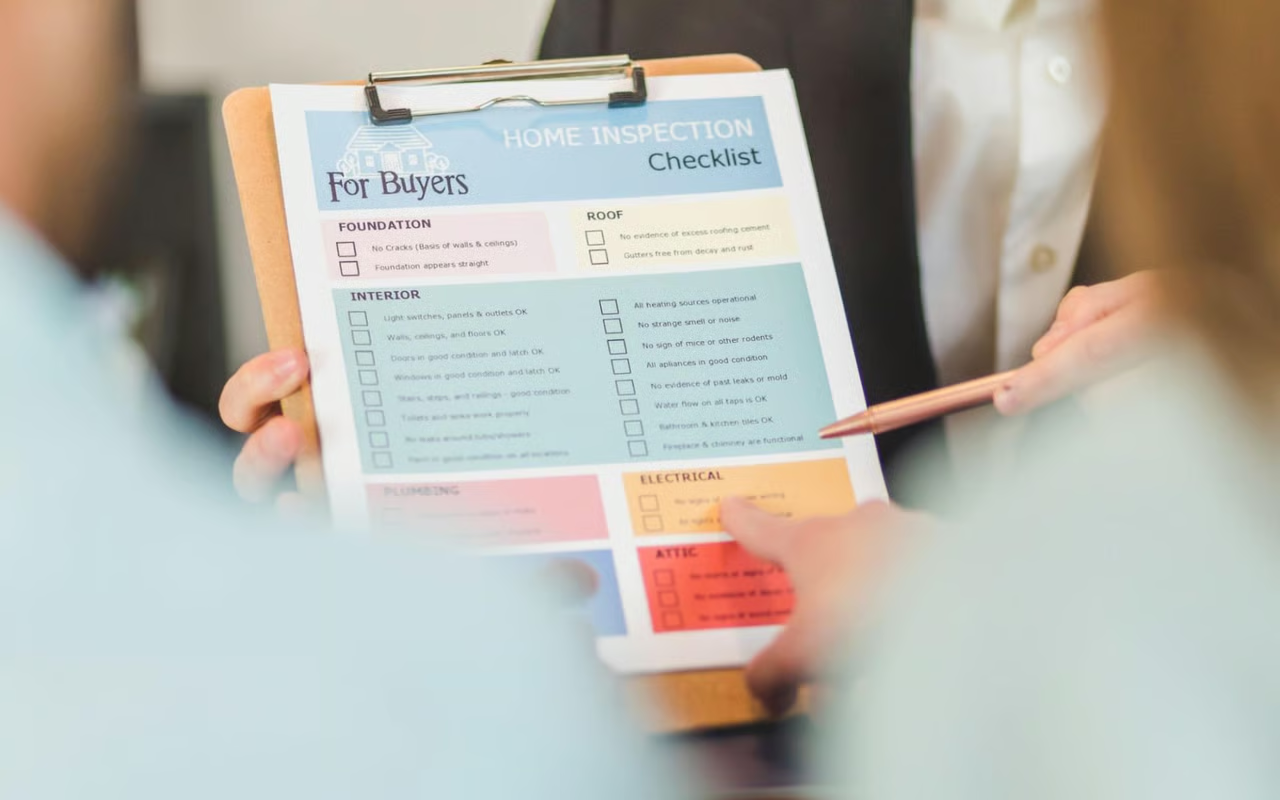
A property is one of the largest investments most people will ever make. Whether you are purchasing a house or maintaining one you already own, understanding its condition is essential. Problems involving the roof, foundation, electrical system, plumbing, moisture, or heating equipment can become expensive when they remain undiscovered.
Professional home inspection services help buyers and owners identify visible defects, safety concerns, and maintenance needs. A qualified inspector examines accessible areas of the property and provides a report explaining the findings. The information can help a buyer evaluate a purchase or assist an owner in planning repairs.
Different properties require different inspection services. A standard inspection may be enough in some situations, while older homes or properties with visible warning signs may require additional services such as a mold inspection, sewer inspection, or structural evaluation.
What Is a Home Inspection?
A home inspection is a visual assessment of the accessible systems and components of a residential property. Its purpose is to identify existing defects, potential safety concerns, and areas that may need repair or further evaluation.
An inspector does not normally open walls, lift installed flooring, or damage the property to search for hidden problems. The inspection is based on visible conditions at the time of the appointment.
A standard inspection generally covers the following areas:
- Roof and attic
- Foundation and visible structure
- Exterior walls and siding
- Plumbing system
- Electrical system
- Heating and cooling equipment
- Windows and doors
- Basement or crawl space
- Insulation and ventilation
- Interior walls, ceilings, and floors
The exact scope depends on the property and the services offered by the home inspection company. Buyers and owners should always ask what is included before scheduling an appointment.
Why Buyers Need Home Inspection Services
A property viewing rarely provides enough time to evaluate every major system. Fresh paint, new flooring, and attractive furniture can make a home appear well maintained while serious problems remain hidden.
A professional inspection gives buyers a clearer understanding of the property before completing the purchase. The report may reveal damaged roofing, leaking pipes, unsafe wiring, poor drainage, foundation cracks, or aging equipment.
Inspection findings can help a buyer decide whether to continue with the transaction. Depending on the purchase agreement and local rules, the buyer may request repairs, negotiate the price, ask for a credit, or arrange additional evaluations.
An inspection does not guarantee that a property has no problems. However, it reduces uncertainty and helps buyers make decisions using more information than they would receive from a visual tour alone.
Why Current Owners Should Schedule Inspections
Home inspections are not only useful during a property purchase. Current owners can also benefit from periodic evaluations.
A maintenance inspection can identify small problems before they become major repairs. For example, a minor roof leak may cause mold, damaged insulation, and ceiling stains if it is not addressed quickly. A small plumbing leak can also lead to damaged flooring and wood decay.
Owners may consider scheduling an inspection before renovating, selling, or preparing a property for seasonal weather. An inspection can help prioritize improvements according to safety, urgency, and potential repair cost.
People who have lived in the same home for many years may become accustomed to gradual changes. An independent inspector can notice issues that the owner no longer recognizes as unusual.
Standard Home Inspection Services
A standard inspection provides a general overview of the property. The inspector usually begins outside by reviewing the roof, drainage, grading, siding, walkways, and visible foundation.
Inside the home, the inspector evaluates accessible plumbing fixtures, electrical outlets, panels, heating equipment, cooling systems, windows, doors, walls, and ceilings. Attics, basements, and crawl spaces may also be inspected when they are accessible and safe to enter.
The inspector may operate normal controls, such as light switches, faucets, heating controls, and installed appliances. This helps determine whether visible components respond as expected.
A standard inspection is broad, but it does not cover every possible concern. Specialized systems and environmental hazards often require additional services.
When Is a Mold Inspection Necessary?
Mold can grow when moisture remains present on building materials. It may develop after a plumbing leak, roof problem, flood, drainage issue, or ventilation failure.
A mold inspection may be appropriate when a property has a musty odor, visible staining, previous water damage, or signs of excessive moisture. It may also be useful when occupants have reported recurring moisture problems or when mold has previously been removed.
During a mold inspection, the professional may examine areas where moisture commonly develops. These can include bathrooms, kitchens, basements, crawl spaces, attics, areas near windows, and spaces around plumbing fixtures.
Depending on the service, moisture meters, thermal imaging equipment, air samples, or surface samples may be used. Not every situation requires laboratory testing, so the inspection method should be based on the condition of the property.
The most important goal is not simply identifying mold. The source of the moisture must also be found and corrected. Cleaning the visible growth without repairing the leak or ventilation problem may allow the mold to return.
Before scheduling a mold inspection, ask what the service includes, whether samples will be collected, how results will be explained, and whether the inspector also performs mold removal. Using separate companies for inspection and removal may help reduce conflicts of interest.
Other Specialized Inspection Services
A standard home inspection may recommend additional evaluations based on the property’s age, location, features, and visible condition.
Radon Testing
Radon is a gas that cannot be detected through sight or smell. Testing can determine whether elevated levels are present inside the property. Radon testing may be added to a standard inspection or scheduled separately.
Termite and Pest Inspection
Termites and other wood destroying insects can damage structural materials. A pest inspection looks for visible evidence of activity, damage, and conditions that may attract pests.
Sewer Line Inspection
A sewer camera inspection can help identify blockages, cracks, root intrusion, or damaged sections inside the main drainage line. This service may be valuable for older properties or homes with a history of drainage problems.
Septic System Inspection
Homes that use private septic systems may require a specialized evaluation. The inspection can provide information about the condition of the tank, drainage area, and related components.
Well Water Testing
Properties with private wells may need water quality testing and an evaluation of the well equipment. Testing can help identify contaminants and issues affecting the water supply.
Chimney Inspection
A chimney inspection may reveal damaged masonry, blocked passages, deteriorated liners, or other concerns that could affect safe operation.
Structural Evaluation
When an inspector observes significant cracks, movement, sagging, or uneven floors, a structural engineer may be needed. The engineer can assess the issue and recommend appropriate repairs.
Pool and Spa Inspection
Pools and spas contain pumps, filters, heaters, electrical components, and safety features that may not be covered by a standard inspection. A specialized service can evaluate these systems more closely.
How to Choose a Home Inspection Company
Selecting the right home inspection company is an important part of the process. The quality of the inspection depends on the inspector’s knowledge, experience, methods, and reporting standards.
Start by checking the requirements for inspectors in your state. Licensing and certification rules vary by location. Ask the company about its qualifications, professional training, insurance, and experience with properties similar to yours.
A reliable home inspection company should clearly explain its services and limitations. It should provide a written agreement describing what will be inspected and what is excluded.
Request a sample report before making your decision. A useful report should be organized, easy to understand, and supported by clear photographs. It should explain the location and significance of each major concern rather than simply listing defects.
You should also ask how long the inspection will take. The answer depends on the property’s size, age, condition, and features. A careful inspection requires enough time to evaluate accessible areas and document findings.
Avoid choosing a home inspection company based only on the lowest price. A detailed inspection can reveal problems that cost far more than the inspection fee.
Questions to Ask Before Hiring an Inspector
Before scheduling an inspection, ask the following questions:
- What areas and systems are included?
- What items are excluded?
- Are you licensed or certified where required?
- How much experience do you have?
- Have you inspected similar properties?
- How long will the inspection take?
- Can I attend the inspection?
- When will I receive the report?
- Do you offer a mold inspection or other specialized services?
- Can I see a sample report?
Clear answers will help you compare services and choose an inspector who matches your needs.
Should You Attend the Inspection?
Buyers and owners should attend the inspection whenever possible. Being present allows you to observe important findings and ask questions about the property.
The inspector can show you where water, electricity, and gas controls are located. You may also learn about maintenance requirements, system conditions, and repairs that should receive priority.
Allow the inspector to follow a consistent process without unnecessary interruptions. Save detailed questions for appropriate moments or discuss the main findings at the end.
The report will provide a written record, but seeing a problem in person can make it easier to understand its importance.
How to Review the Inspection Report
Most inspection reports contain a combination of minor maintenance items, recommended improvements, and significant concerns. A long report does not automatically mean the property is in poor condition.
Begin by focusing on issues involving safety, water intrusion, structure, roofing, electrical systems, plumbing, and major equipment. Ask the inspector to clarify anything you do not understand.
Some findings may require estimates from qualified contractors. A home inspector identifies visible concerns, but a specialist may be needed to determine the exact repair method and cost.
If a mold inspection or another specialized evaluation is recommended, schedule it as soon as possible. Buyers often have a limited inspection period under the purchase agreement.
Making a More Informed Property Decision
Home inspection services provide valuable information for both buyers and current owners. A general inspection can identify visible defects across the property, while specialized services can investigate specific concerns more closely.
The right inspection depends on the property’s age, location, condition, and features. A mold inspection may be necessary when moisture or water damage is present. Other homes may require radon testing, sewer evaluation, pest inspection, or structural review.
Choosing an experienced home inspection company is just as important as selecting the right service. Review the company’s qualifications, scope, reporting process, and experience before making a decision.
No inspection can predict every future repair, but a thorough evaluation can reduce uncertainty. It gives buyers greater confidence before purchasing and helps owners protect the condition, safety, and value of their homes.
