A contaminated land consultant in Australia assesses, investigates, and remediates sites affected by soil, water, or vapor contamination. They help property owners, developers, and businesses meet regulatory requirements, protect human health, and prepare land for safe and compliant use.
Buying, developing, or managing land comes with a lot of responsibilities—and contamination risk is one most people don’t think about until it becomes a serious problem. Whether you’re a property developer, a business owner, or a government agency, understanding what sits beneath the surface of a site is critical. Contamination from heavy metals, hydrocarbons, asbestos, or PFAS can create significant health risks and legal liabilities if left unaddressed.
That’s where professional environmental consultants come in. Across Australia, firms like Caldera Environmental work with clients across residential, commercial, industrial, and infrastructure sectors to identify contamination risks, develop remediation strategies, and support regulatory compliance. This post breaks down what the process looks like, why it matters, and what to expect when engaging a specialist.
Why Contaminated Land Is a Serious Concern
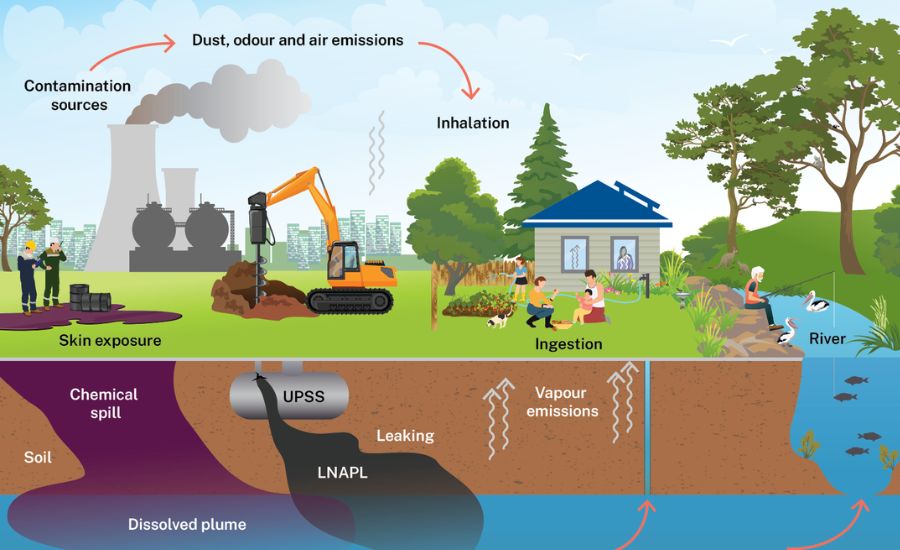
Contaminated soil and groundwater don’t just create environmental problems—they create human ones too. Exposure to contaminants like heavy metals, asbestos, and hydrocarbons has been linked to respiratory conditions, neurological disorders, and certain types of cancer. Ecologically, contamination disrupts ecosystems, harms native wildlife, and degrades water quality over time.
Many contaminated sites have histories tied to industrial or agricultural activities that predate modern environmental standards. Old fuel stations, manufacturing facilities, landfills, and defense sites are common examples. Without proper investigation, these risks can go undetected—and that can have costly consequences for landowners, developers, and the wider community.
What Does a Contaminated Land Investigation Involve?
A professional environmental investigation follows a structured, staged approach. Each stage builds on the last to progressively define the nature and extent of any contamination present.
Phase 1 – Preliminary Site Investigation
The first step is a desktop review and site reconnaissance. Consultants examine historical land use records, aerial photographs, council data, and regulatory databases to identify potential contamination sources. This phase doesn’t involve physical sampling—it’s about building a picture of what might be present and why.
Phase 2 – Detailed Site Investigation
If Phase 1 identifies potential concerns, a detailed investigation is triggered. This involves physical soil and groundwater sampling, laboratory analysis, and assessment against relevant criteria. Consultants develop a Sampling and Analysis Quality Plan (SAQP) to guide fieldwork and ensure data integrity.
Specific activities may include:
- Soil sampling and classification
- Groundwater monitoring
- Soil vapor assessment (including sub-slab vapor)
- PFAS testing
- Geotechnical investigation
- Landfill gas assessment
Phase 3 – Remediation Action Plan
Once contamination is confirmed and characterized, a Remediation Action Plan (RAP) is prepared. This document outlines the strategy for cleaning up or managing the contamination to an acceptable level. Options may include excavation and disposal, in-situ treatment, capping, groundwater treatment, or a combination of approaches.
Validation
After remediation is complete, validation sampling confirms that cleanup objectives have been achieved. This is a critical step for regulatory sign-off and is required before a site can be redeveloped or transferred.
Regulatory Frameworks That Guide Contaminated Land Management
In Australia, contaminated land management is governed by state-based legislation and guidelines. Consultants must have a strong working knowledge of these frameworks to deliver compliant outcomes.
In New South Wales, investigations are guided by the NSW Environment Protection Authority (EPA) under the Contaminated Land Management Act 1997. In Queensland, the relevant framework sits under the Environmental Protection Act 1994, administered by the Department of Environment and Science (DES).
Certified Environmental Practitioners (CEnvP) are trained to navigate these regulatory environments and communicate effectively with state agencies, local councils, and other stakeholders. Compliance isn’t just about ticking boxes—it’s about protecting people, preserving property value, and avoiding legal liability.
The Real Benefits of Getting a Site Assessment Done
There’s a practical case to be made for investing in a thorough site assessment, even when it isn’t immediately required.
Protecting property value: Contamination discovered mid-transaction can derail deals, trigger price renegotiations, or result in legal disputes. Early investigation removes uncertainty and supports informed decision-making.
Avoiding regulatory penalties: Environmental non-compliance can result in significant fines and reputational damage. A proactive approach to Contaminated Land Management reduces that risk substantially.
Supporting redevelopment: Developers need clean, validated land to proceed with construction approvals. A well-documented investigation and remediation program fast-tracks this process.
Community and ecological protection: Beyond the commercial considerations, proper investigation protects the people and ecosystems surrounding a site—something that carries real weight in community-focused projects.
How to Choose the Right Environmental Consultant
Not all environmental consultants offer the same level of expertise. When evaluating providers, look for:
- Certified Environmental Practitioners (CEnvP) on staff
- Experience across a range of site types, including industrial, residential, and defense
- Demonstrated knowledge of state-specific regulatory requirements
- A clear, methodical approach to project management and reporting
- A track record of working collaboratively with regulators and stakeholders
Caldera Environmental, for example, operates across Northern NSW, the Gold Coast, Brisbane, Sydney, Coffs Harbour, Newcastle, and Tweed Heads. Their team of certified contaminated land consultants in Australia brings technical depth and regional expertise to projects of all sizes and complexity.
Taking the Next Step on Your Site
Contamination assessments aren’t just a regulatory formality—they’re a smart investment in the long-term usability and value of land. The earlier an issue is identified, the more options you have for managing it effectively.
If you’re planning a property purchase, redevelopment, or site handover, engaging an experienced environmental consultant early in the process is the most practical decision you can make. With the right team behind you, navigating the complexities of contaminated land management becomes significantly more straightforward.
Frequently Asked Questions
What triggers the need for a contaminated land investigation in Australia?
Common triggers include property transactions, development applications, changes in land use, regulatory notices, and historical industrial activity on or near a site. Lenders and councils may also require investigations before approving finance or planning permits.
How long does a contaminated land investigation take?
Timelines vary depending on site complexity. A Phase 1 desktop review may take one to two weeks, while a full Phase 2 investigation with laboratory analysis can take several weeks to a few months, especially if follow-up sampling is required.
What is a Certified Environmental Practitioner (CEnvP)?
A CEnvP is a credentialed professional recognized for their expertise in environmental science and management in Australia. Certification is awarded by the Environment Institute of Australia and New Zealand (EIANZ) and demonstrates a high standard of technical competence and ethical practice.
What contaminants are most commonly found on Australian sites?
Common contaminants include petroleum hydrocarbons, heavy metals (like lead and arsenic), asbestos, chlorinated solvents, and PFAS (per- and polyfluoroalkyl substances). The contaminants present typically reflect the historical use of the land.
Does contamination always need to be removed?
Not necessarily. Depending on the site’s proposed future use and the nature of the contamination, risk management strategies such as capping or containment may be acceptable alternatives to full excavation and removal. A qualified consultant will recommend the most practical and compliant approach.
Bless Insight is dedicated to exploring the lives, journeys, and achievements of influential people, offering readers inspiration and valuable life lessons.
