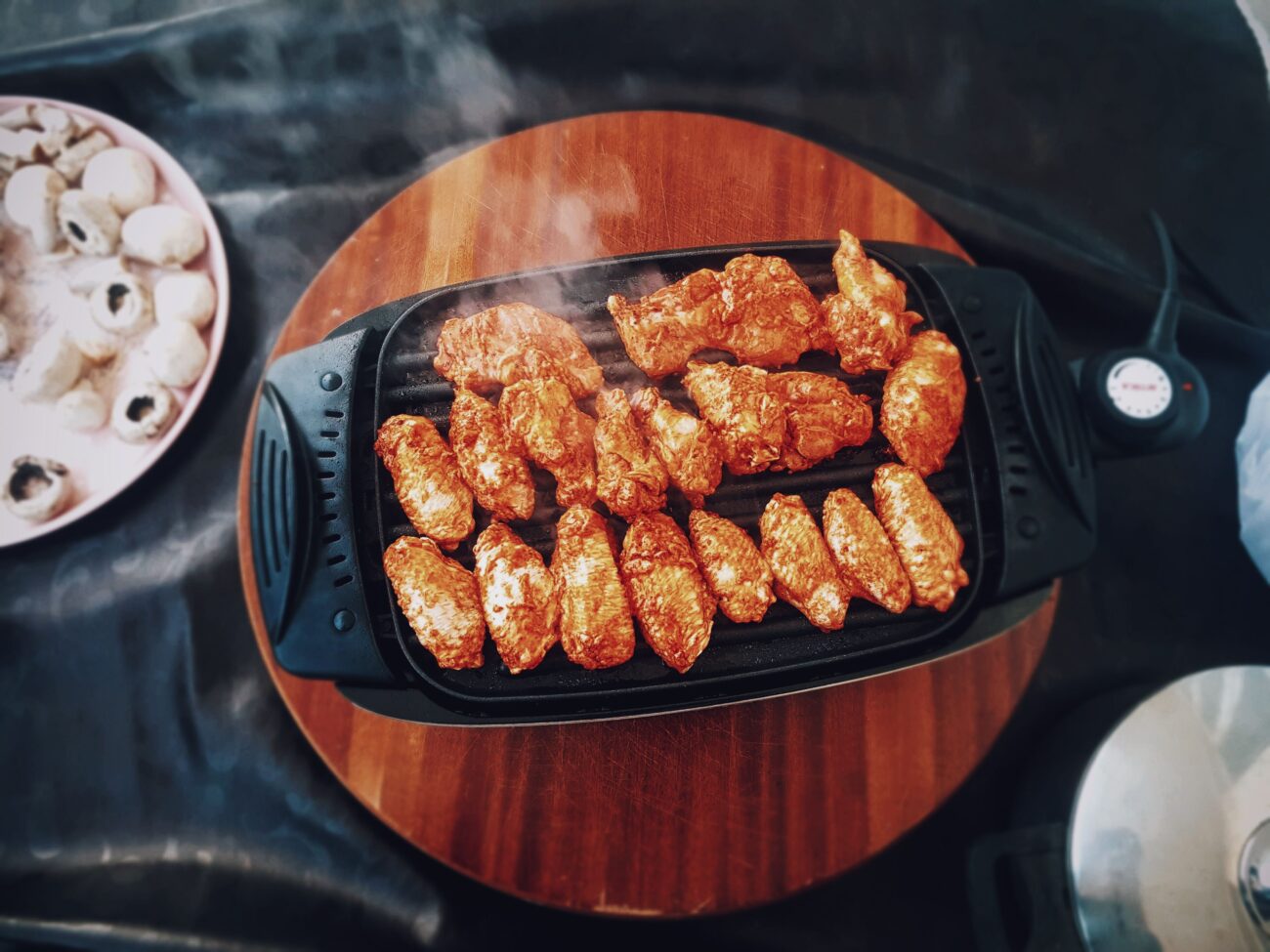
Cooking at home can be one of those everyday activities where small decisions add up. If you regularly prepare breakfast, lunch, and dinner separately, you may wonder whether cooking several meals at once could reduce the amount of electricity your kitchen uses.
The answer is yes, batch cooking can save electricity, but the amount you save depends on what you’re cooking, which appliances you use, and how you organize your meals.
Cooking multiple meals during one session can reduce the number of times you preheat an oven, boil water, or run other energy intensive appliances. It can also save time, reduce food waste, and make busy weekdays easier.
However, batch cooking isn’t automatically more efficient in every situation. Here’s how to make it work.
Why Batch Cooking Can Save Energy
Every time you use an oven, you’re paying the energy cost of heating it to the required temperature. Whether you’re cooking one small dish or several trays of food, the oven still needs to preheat.
If you cook several dishes during the same session, you can make better use of that initial energy.
For example, instead of turning the oven on three separate times to roast vegetables, bake chicken, and prepare a casserole, you might cook several of them together if they require similar temperatures.
The same principle applies to other cooking appliances. Using a stovetop burner or slow cooker for one large batch may be more efficient than preparing several smaller batches throughout the day.
The Oven Is Where Planning Can Make a Difference
Ovens can use a considerable amount of energy, particularly when they are preheated and used for long cooking periods.
If you’re already planning to use your oven, consider whether you can cook another meal or ingredient at the same time. This is a simple energy-efficient cooking strategy recommended by Beko, particularly when meal prepping or cooking in batches.
For example, while roasting chicken for dinner, you might also roast vegetables or prepare another dish for the following day.
Just make sure you don’t overcrowd the oven. Food needs enough space for hot air to circulate properly, and overcrowding can increase cooking time. If a second dish adds significantly more cooking time, the energy savings may be smaller than expected.
Cook Similar Foods Together
One of the easiest ways to make batch cooking more efficient is to group foods with similar cooking requirements.
For example, you could prepare:
- Several portions of roasted vegetables
- Multiple servings of chicken or fish
- Several baked potatoes
- A large casserole
- Muffins or other baked goods
If foods require roughly the same temperature, you can often prepare them during one oven session.
This approach also reduces the temptation to turn the oven back on later for another small meal.
Use the Right Appliance for the Job
Batch cooking doesn’t always mean using a large oven.
For smaller portions, appliances such as toaster ovens, air fryers, pressure cookers, rice cookers, and microwaves may be more practical.
The most energy efficient option depends on the amount and type of food you’re preparing.
For instance, heating a small portion in a microwave may require less energy than preheating a full-size oven. An air fryer may also be convenient for smaller batches because it heats a much smaller cooking chamber.
The goal isn’t to choose one appliance for everything. It’s to avoid using a large appliance when a smaller one can accomplish the same task efficiently.
Don’t Forget the Stovetop
Batch cooking can also help reduce stovetop energy use.
Instead of cooking rice, pasta, vegetables, and sauces separately throughout the day, you can prepare larger quantities during one cooking session.
For electric stoves, reducing the number of times you heat burners can help lower electricity consumption.
If your home uses gas for cooking, the energy calculation is different because the stove isn’t drawing electricity in the same way. If you’re comparing household energy costs more broadly, you may also encounter regional pricing information such as georgia gas when looking at fuel costs alongside electricity.
Let Leftovers Work for You
One of the biggest benefits of batch cooking is that it turns one cooking session into several meals.
A large pot of soup, chili, pasta sauce, curry, or stew can provide dinner for several days. You can refrigerate portions for the next day and freeze others for later.
This means you don’t need to heat your cooking appliances every time you need a meal.
You may also save money by reducing food waste. Ingredients purchased for one meal can often be used across several portions instead of being forgotten in the refrigerator.
Be Smart About Food Storage
Batch cooking only saves energy if you store and reheat your meals sensibly.
Allow cooked food to cool appropriately before storing it, and use suitable containers. Divide large quantities into smaller portions when practical so they cool and reheat more efficiently.
When reheating food, use the smallest suitable appliance. A microwave may be more practical for one serving, while an oven could make sense when you’re reheating a large meal for the whole family.
When Batch Cooking May Not Save Energy
Cooking several meals at once isn’t always the best option.
If you’re preparing one small portion and decide to turn on a large oven just to make extra food you don’t actually need, you may not save much energy.
Similarly, if batch cooking requires significantly longer cooking times, the additional energy use could offset some of the savings from avoiding future cooking sessions.
The key is to combine meals when it makes sense rather than cooking extra food simply because the oven is already on.
Simple Ways to Make Batch Cooking More Efficient
You don’t need a complicated meal plan to save energy.
Try these simple habits:
- Plan several meals before turning on the oven.
- Cook multiple dishes at similar temperatures.
- Use smaller appliances for small portions.
- Prepare larger batches of foods you know your household will eat.
- Freeze portions that won’t be eaten soon.
- Reheat only the amount you need.
- Avoid opening the oven door unnecessarily.
- Turn appliances off as soon as cooking is finished.
These habits can help you get more meals from the energy you’re already using.
Frequently Asked Questions
Does batch cooking really save electricity?
It can. Cooking several meals during one session can reduce repeated preheating and cooking time. The actual savings depend on the food, appliance, portion size, and cooking method.
Is it cheaper to cook one large meal or several small meals?
In many cases, one larger batch can be more energy efficient because you avoid repeatedly heating an oven or stovetop. However, the savings depend on how long the larger batch takes to cook.
Does using an air fryer save electricity compared with an oven?
For smaller portions, an air fryer may use less energy because it has a smaller cooking chamber and generally heats up quickly. For large quantities, however, an oven may be more practical.
Is a microwave energy efficient for reheating food?
For small portions, a microwave can be an efficient choice because it heats food quickly without requiring a large oven to preheat.
Should I leave the oven on between meals?
Usually, no. If you’re finished cooking and don’t have another dish ready to go into the oven, turning it off avoids unnecessary energy use.
Can batch cooking lower my overall household energy bill?
It can contribute to lower energy consumption, particularly if you regularly avoid repeated oven use. However, cooking is only one part of a household’s total energy use. Heating, cooling, water heating, and major appliances can have a much larger impact.
Final Thoughts
Cooking several meals at once can be a smart way to make better use of the energy you’re already spending in the kitchen. By combining oven sessions, preparing larger batches, choosing appropriately sized appliances, and reheating only what you need, you can potentially reduce unnecessary electricity use.
The biggest benefit isn’t about never cooking a single meal again. It’s about avoiding repeated energy intensive tasks when you can conveniently combine them.
Batch cooking can also make everyday life easier. You spend less time preparing meals during busy days, have ready-to-eat food available, and may reduce food waste along the way.
So the next time you’re about to turn on the oven, take a moment to ask: What else can I cook while it’s already running? That small question could help you save both time and energy.
