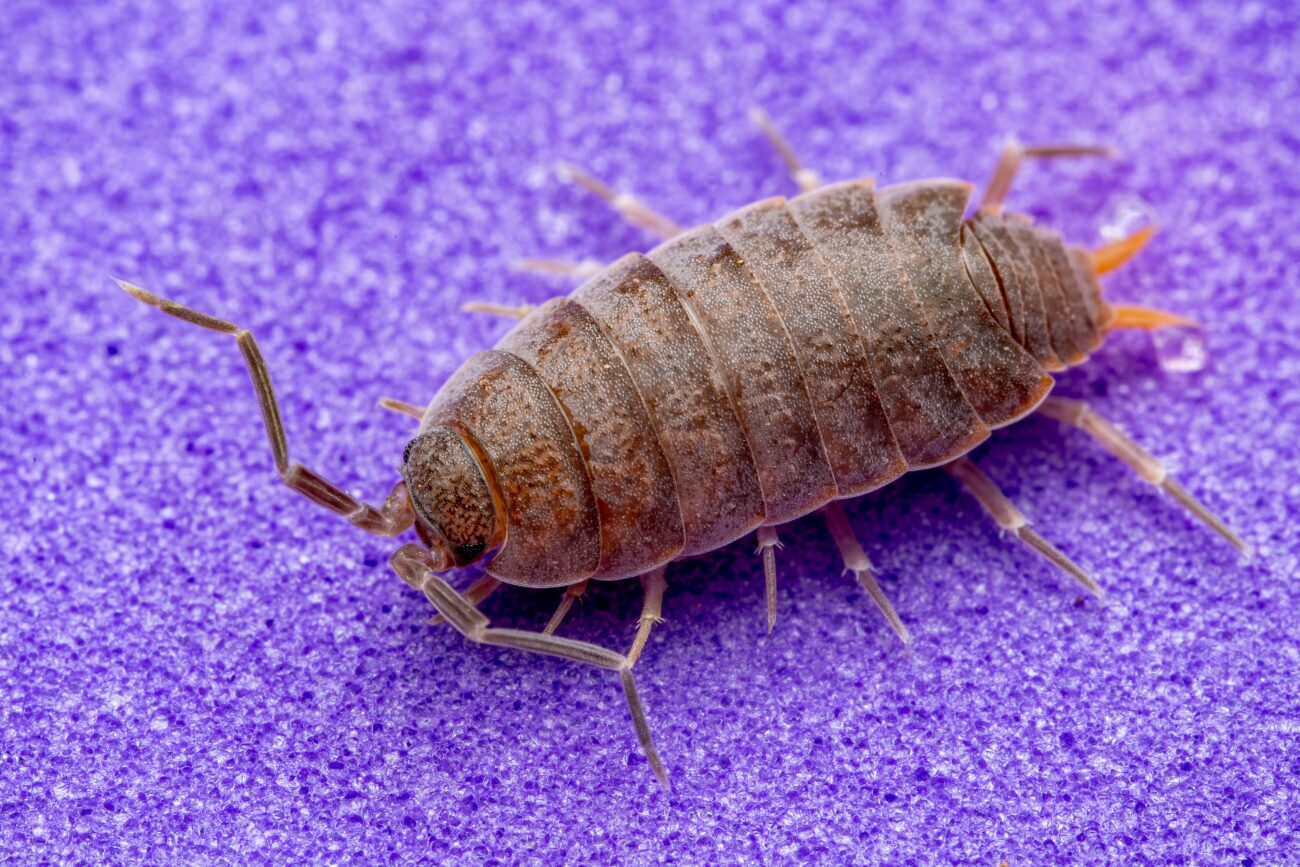
Discovering that silverfish have made themselves at home in your apartment is unsettling, but the good news is that these insects can be eliminated with a patient, methodical approach. The mistake most people make is spraying whatever they find under the kitchen sink and hoping for the best. Real success comes from a plan that attacks the whole population, not just the few insects you happen to see. Here is how to do it properly.
Start With a Survey
Before treating anything, learn where the insects live and how many there are. Place sticky traps in corners, along skirting boards, behind bookshelves, and in bathrooms, then check them after a week. This tells you which rooms are the hotspots and gives you a baseline to measure progress against. Knowing the scale of the problem is the foundation of any effective hvordan bli kvitt skjeggkre strategy, because it turns guesswork into a targeted operation.
Use Bait, Not Just Sprays
The single most effective tool against these insects is poison bait designed specifically for them. Unlike a spray that only kills insects it directly touches, bait works on the whole colony. The insects feed on it, return to their hiding places, and the active ingredient spreads through the population over the following weeks. This is why professional skjeggkre bekjempelse relies heavily on baiting rather than surface spraying.
Place small amounts of bait exactly where your traps showed the most activity. Patience is essential here. You will not see results overnight, and the population typically declines steadily over four to eight weeks. Resist the urge to clean away the bait or switch products too early, as consistency is what breaks the breeding cycle.
Combine Baiting With Trapping
While bait reduces the overall population, skjeggkre feller continue to catch stragglers and let you monitor how well the treatment is working. Keep replacing traps as they fill, and note whether the catch numbers drop week by week. A steady decline confirms your bait placement is correct. If numbers stay high in a particular spot, move your bait closer to that area, because you have likely found a nest nearby.
Seal the Highways
These insects travel through the tiny gaps around pipes, behind skirting boards, and through cracks in walls and floors. Sealing these openings with caulk does two things: it cuts off the routes they use to spread between rooms, and it removes the sheltered spaces where they hide and lay eggs. Pay special attention to the gaps where different building materials meet, as these are prime hiding spots.
Reduce Their Food Supply
Silverfish feed on starch, sugar, paper, and crumbs. Store dry foods in sealed containers, keep books and documents in closed boxes rather than open shelves, and vacuum regularly to remove the fine debris they eat. Making your home less hospitable will not eliminate an infestation on its own, but it slows population growth and prevents new ones from taking hold after you have cleared the current problem.
Stay Consistent
The difference between homes that clear these pests and homes that struggle for years usually comes down to persistence. Keep baiting, keep monitoring your traps, and keep sealing gaps as you find them. Within a couple of months of consistent effort, most infestations drop to zero. Once you reach that point, a few maintenance traps will alert you early if any new insects ever appear.
